7 Key LED Lighting Trends 2026 for UK Hospitality Facilities
Managing lighting costs can feel overwhelming for hospitality businesses across the United Kingdom. With energy bills on the rise and sustainability targets becoming more pressing, choosing the right lighting solutions is no longer optional. The right approach can mean the difference between constant maintenance headaches and real, measurable savings.
By exploring practical upgrades and smart technologies, you can uncover options that cut unnecessary spending without sacrificing comfort or style. You’ll discover proven strategies, from selecting the best LED systems to implementing intelligent controls and adopting sustainable materials.
Get ready to learn how industry leaders achieve energy savings, boost guest satisfaction, and create safer, future-ready spaces. Each insight is designed to help you make confident decisions—so you don’t miss out on the benefits that modern lighting solutions can bring to your hospitality venue.
Table of Contents
- 1. Choosing Energy-Efficient LED Systems For Lower Costs
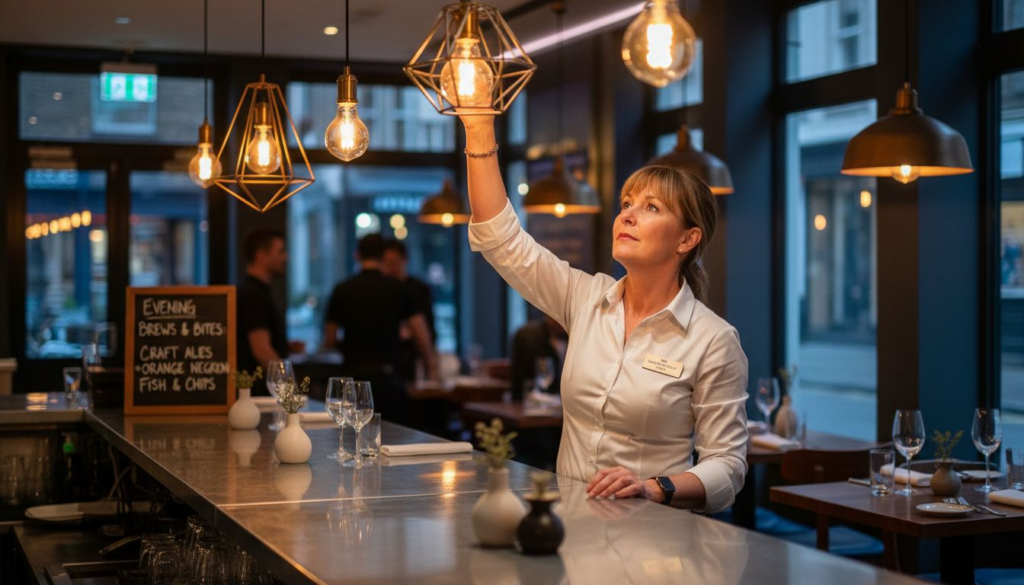
- 2. Integrating Smart Controls For Flexible Lighting
- 3. Adopting Human-Centric Lighting In Guest Areas
- 4. Prioritising Sustainable Materials And Eco Options
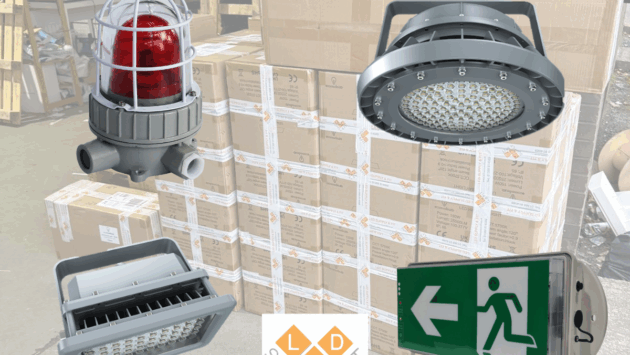
- 5. Maximising Safety With Atex-Rated And Durable Fixtures
- 6. Benefiting From Bulk Discounts On Large-Scale Upgrades
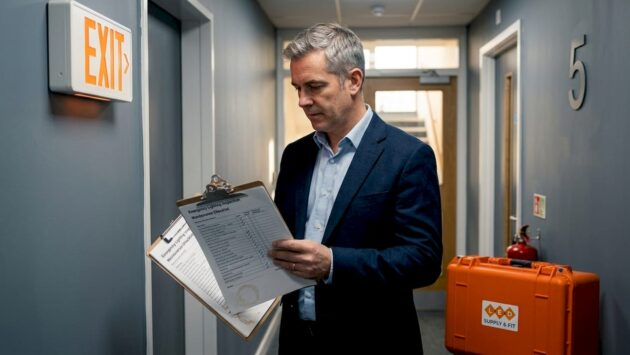
- 7. Leveraging Expert Installation And Demo Services
Quick Summary
| Key Insight | Explanation |
|---|---|
| 1. Prioritise High-Efficiency LED Lighting | Focus on LED systems that offer up to 80% energy savings, integrating intelligent lighting design for maximum cost reduction. |
| 2. Embrace Smart Lighting Controls | Implement smart technologies to adapt lighting based on occupancy and time, creating personalised experiences while reducing energy use. |
| 3. Adopt Human-Centric Lighting | Design lighting that mimics natural light patterns for improved guest comfort and well-being, enhancing overall satisfaction in hospitality venues. |
| 4. Opt for Sustainable Materials | Choose lighting components made from recycled materials and follow eco-friendly design principles to reduce environmental impact. |
| 5. Invest in Professional Installation | Engage expert installers for optimal system performance, ensuring compliance and minimising errors during the lighting upgrade process. |
1. Choosing Energy-Efficient LED Systems for Lower Costs
Reducing energy expenses has become a critical priority for hospitality facilities across the United Kingdom. By implementing strategic LED lighting solutions, businesses can dramatically cut their electricity consumption and operational costs.
LED technology offers remarkable opportunities for energy management. Practical energy savings of up to 80% can be achieved in commercial spaces through intelligent lighting design and smart control systems.
Key strategies for selecting energy-efficient LED systems include:
- Prioritise high-efficiency LED panel lights
- Select luminaires with built-in dimming capabilities
- Invest in smart lighting control technologies
- Choose fixtures with long operational lifespans
- Consider colour temperature and lumens for optimal performance
Modern LED systems integrate advanced features that go beyond simple illumination. Automated controls enable precise energy management by adjusting light levels based on occupancy and natural daylight conditions. This dynamic approach ensures optimal illumination while minimising unnecessary electricity consumption.
Intelligent LED lighting can reduce energy expenses by up to 80% compared to traditional lighting systems.
Maintenance costs also significantly decrease with LED technology. These robust systems typically last 50000 hours or more reducing replacement frequency and associated labour expenses.
Pro tip: Conduct a comprehensive lighting audit before upgrading to identify specific energy-saving opportunities and calculate potential return on investment.
2. Integrating Smart Controls for Flexible Lighting
Modern hospitality facilities are increasingly embracing smart lighting technologies to create dynamic, adaptable environments. These advanced systems offer unprecedented control over illumination, enabling venues to transform their spaces with unprecedented precision.
Smart lighting controls represent a technological revolution in hospitality design. By integrating sensors, wireless networks, and intelligent software, these systems provide granular management of lighting environments.
Key advantages of smart lighting controls include:
- Adaptive brightness levels based on occupancy
- Automatic scene scheduling for different times of day
- Energy consumption tracking and optimisation
- Remote management through smartphone applications
- Personalised lighting experiences for guests
Hotels and restaurants can programme lighting scenes that automatically adjust throughout the day. For instance, breakfast areas can transition from bright morning illumination to softer afternoon tones without manual intervention.
Smart lighting enables hospitality venues to create personalised atmospheres while significantly reducing energy consumption.
Wireless connectivity allows facility managers to control entire lighting networks from a single interface. This centralised approach simplifies maintenance, reduces operational complexity, and provides real-time performance insights.
Pro tip: Consider implementing zoned lighting controls that allow independent management of different areas, maximising both guest comfort and energy efficiency.
3. Adopting Human-Centric Lighting in Guest Areas
Human-centric lighting represents a revolutionary approach to designing illumination that directly supports human biological rhythms and emotional well-being. By understanding how lighting impacts human experience, hospitality venues can create truly transformative guest environments.
This innovative lighting philosophy goes beyond simple illumination. Lighting becomes a tool for enhancing guest experiences by mimicking natural light cycles and supporting human circadian rhythms.
Key principles of human-centric lighting include:
- Adjusting colour temperature throughout the day
- Matching light intensity to natural daylight patterns
- Supporting guests’ sleep and wake cycles
- Creating mood-enhancing illumination environments
- Reducing eye strain and visual fatigue
In practice, this means hotel rooms and restaurant spaces can dynamically change their lighting to reflect natural progression from morning to evening. Warm, energising blue-white tones can simulate morning sunlight while softer amber hues can promote relaxation in evening settings.
Human-centric lighting transforms spaces from mere functional environments into responsive, emotionally supportive experiences.
Biological synchronisation through lighting represents a cutting-edge approach to guest comfort. By understanding human physiological responses to different light spectrums, hospitality venues can create more intuitive and supportive environments.
Pro tip: Implement gradual lighting transitions that subtly mimic natural daylight progression to support guests’ natural circadian rhythms and enhance overall well-being.
4. Prioritising Sustainable Materials and Eco Options
Sustainable lighting design has become a critical consideration for forward-thinking hospitality facilities seeking to reduce environmental impact. Reducing carbon footprint through strategic lighting choices represents a significant opportunity for modern businesses.
Modern hospitality venues are increasingly recognising the importance of environmentally responsible lighting solutions that minimise ecological consequences while maintaining aesthetic appeal.
Key strategies for sustainable lighting materials include:
- Selecting fixtures manufactured from recycled materials
- Choosing products with low embodied carbon
- Prioritising locally sourced lighting components
- Implementing circular economy design principles
- Investing in long-lasting, durable lighting systems
Manufacturers are now developing lighting solutions that dramatically reduce environmental impact. Innovative materials such as recycled aluminium, biodegradable polymers, and responsibly sourced metals are replacing traditional manufacturing approaches.
Sustainable lighting design is not just an environmental choice but a strategic business decision that demonstrates corporate responsibility.
Circular economy principles guide modern lighting design. This approach focuses on creating products that can be easily disassembled, recycled, or repurposed at the end of their operational lifecycle.
Pro tip: Conduct a comprehensive sustainability audit of your current lighting systems to identify opportunities for eco-friendly upgrades and material substitutions.
5. Maximising Safety with ATEX-Rated and Durable Fixtures
Navigating safety requirements in hospitality environments demands precision and comprehensive understanding of specialist lighting solutions. Understanding ATEX lighting standards is crucial for facilities with potential explosive or high-risk environments.
ATEX-rated fixtures represent a specialised category of lighting designed to operate safely in potentially hazardous atmospheres. Safety is not negotiable in critical environments.
Key considerations for ATEX-rated fixtures include:
- Robust construction preventing potential ignition sources
- Protection against dust and moisture ingress
- Compliance with stringent European safety regulations
- Materials resistant to chemical and physical degradation
- Specific zone and equipment classification ratings
Hospitality venues with kitchens restaurants or facilities handling flammable substances require meticulous attention to lighting safety. ATEX-rated fixtures provide critical protection by preventing potential spark generation in volatile environments.
ATEX-rated lighting solutions represent an essential investment in workplace safety and regulatory compliance.
Comprehensive safety assessments require professional evaluation of specific environmental conditions. Each facility presents unique challenges demanding tailored lighting solutions.
Pro tip: Consult specialist lighting engineers who can conduct detailed risk assessments and recommend precisely matched ATEX-rated fixtures for your specific hospitality environment.
6. Benefiting from Bulk Discounts on Large-Scale Upgrades
Strategic procurement of LED lighting can unlock substantial financial advantages for hospitality businesses undertaking comprehensive facility upgrades. Bulk purchasing strategies represent a critical opportunity for significant cost reduction.
Large-scale lighting upgrades offer multiple financial benefits beyond immediate purchase savings. Economies of scale transform capital investments into long-term operational efficiency.
Key considerations for maximising bulk discount opportunities include:
- Comprehensive facility-wide lighting assessments
- Coordinating upgrade timelines across multiple properties
- Negotiating volume-based pricing structures
- Understanding total lifecycle cost implications
- Exploring trade account opportunities
Hospitality groups can leverage collective purchasing power to secure more favourable pricing. By consolidating lighting requirements across multiple venues hospitality managers can negotiate substantial discounts typically unavailable to smaller individual purchasers.
Intelligent bulk purchasing transforms lighting upgrades from expense to strategic investment.
Timing and strategic planning determine discount potential. Bulk purchases require careful coordination between procurement teams facility managers and lighting specialists.
Pro tip: Develop a comprehensive lighting upgrade roadmap that allows for phased implementation while maximising collective purchasing advantages.
7. Leveraging Expert Installation and Demo Services
Selecting the right LED lighting solution goes beyond product selection professional installation services play a critical role in ensuring optimal performance and long-term reliability. Expert installation transforms technical specifications into practical workplace illumination.
Comprehensive installation and demonstration services provide hospitality facilities with strategic advantages that extend far beyond standard product procurement. Technical expertise ensures precise implementation.
Key benefits of professional installation services include:
- Precise technical assessment of facility requirements
- Minimising potential installation errors
- Providing detailed system demonstrations
- Offering customised lighting configuration advice
- Ensuring warranty and compliance standards
Professional installers conduct thorough site surveys identifying unique architectural and functional lighting requirements. Their expertise allows for nuanced recommendations that generic installations cannot match.
Expert installation transforms lighting from a mere utility to a strategic operational asset.
Demonstration services offer invaluable operational insights by showcasing actual performance capabilities and potential energy savings. These sessions enable facility managers to understand complex lighting technologies.
Pro tip: Request comprehensive site surveys and live demonstrations before finalising your LED lighting investment to ensure complete alignment with your hospitality venue’s specific requirements.
Below is a comprehensive table summarising the main strategies, considerations, and key takeaways related to implementing LED systems within hospitality facilities, focusing on energy and cost efficiency, sustainability, and advanced technological integration.
| Focus Area | Key Details | Benefits |
|---|---|---|
| Energy-Efficient LED Systems | High-efficiency LED panel lights, built-in dimming capabilities, smart control technologies. | Reduction in electricity usage (~80%), decreased operational costs, longer system lifespans. |
| Smart Lighting Control Integration | Zoning for adaptive illumination, remote management, occupancy and daylight-based adjustments. | Enhanced energy management, personalised lighting environments, improved guest satisfaction. |
| Human-Centric Lighting Concepts | Synchronised light patterns to circadian rhythms, adjustable colour temperatures. | Improved guest well-being, optimised mood lighting, reduced visual fatigue. |
| Sustainable Material Usage | Focus on recycled components, local sourcing, and durable designs following circular economy principles. | Reduced carbon footprint, improved corporate environmental responsibility, extended product lifespan. |
| Safety Compliance with ATEX | Implementation of ATEX-rated fixtures in sensitive environments (kitchens, hazardous areas). | Ensured facility safety, regulatory adherence, reduced risk of accidents. |
| Bulk Purchasing for Upgrades | Facility-wide assessments for bulk purchases and volume discounts. | Cost savings, improved resource allocation, enhanced long-term operational efficiency. |
| Professional Installation Services | Expert assessment, tailored configurations, warranty compliance. | Correct installation, optimised performance, reduced future system issues and costs. |
Transform Your Hospitality Lighting with Expert LED Solutions
The future of hospitality lighting is energy-efficient, smart, and sustainable. If you want to reduce your operational costs while enhancing guest comfort and safety, adopting the latest LED lighting trends is essential. Key challenges like managing energy consumption, integrating smart controls, and ensuring regulatory compliance with ATEX-rated fixtures require trusted partners who understand your needs.
At Ledsupplyandfit.co.uk, we specialise in delivering tailored LED lighting systems that address these demands. Benefit from bulk discounts on large-scale upgrades, professional installation services, and expert advice to maximise your return on investment. Whether you want to implement human-centric lighting or prioritise eco-friendly materials, our comprehensive solutions and customer demonstrations support every step.
Ready to future-proof your hospitality venue and enjoy lower energy bills today? Explore our full range of products and services at Ledsupplyandfit.co.uk and discover how easy upgrading can be with our expert team. Start your journey towards smarter, safer, and more sustainable lighting now.
Frequently Asked Questions
What are the most important LED lighting trends for hospitality facilities in 2026?
The key LED lighting trends for hospitality facilities in 2026 include energy-efficient lighting systems, smart controls, human-centric designs, sustainable materials, ATEX-rated fixtures for safety, and bulk purchasing strategies. Focus on integrating these trends to enhance guest experience and reduce operational costs.
How can I implement energy-efficient lighting solutions in my hotel or restaurant?
To implement energy-efficient lighting, prioritise high-efficiency LED panel lights and invest in smart lighting controls. Conduct a comprehensive lighting audit within 30 days to identify opportunities for optimising energy use and reducing expenses by up to 80%.
What steps should I take to integrate smart lighting controls in my hospitality venue?
Start by assessing your current lighting setup and identifying areas for automation. Next, install adaptive lighting systems that can adjust based on occupancy and time of day, ensuring you maximise energy savings and enhance guest comfort.
How can I adopt human-centric lighting in my facilities?
To adopt human-centric lighting, adjust colour temperature and intensity throughout the day to mimic natural light cycles. Implement gradual transitions to support guests’ sleep and wake periods, enhancing their overall comfort and well-being.
What are the benefits of using sustainable lighting materials in hospitality?
Using sustainable lighting materials not only minimises your environmental impact but also demonstrates corporate responsibility, which can enhance your brand image. Aim to choose fixtures made from recycled materials and prioritise long-lasting options to reduce waste over time.
How can bulk purchasing strategies benefit my hospitality business during lighting upgrades?
Bulk purchasing allows you to negotiate better pricing and reduce overall costs when upgrading lighting across multiple venues. Coordinate your upgrade timelines and explore volume-based pricing structures to maximise financial savings and improve operational efficiency.