How to Improve Lighting Efficiency for UK Hotels
Every facility manager knows that rising energy costs can eat into profits and cause unnecessary headaches. Efficient lighting is one of the fastest ways to cut expenses in British hotels and restaurants, yet many still use outdated systems that drain power and underperform. By focusing on a clear, step-by-step approach and emphasising energy savings opportunities with modern LED technology, you can pave the way for lower bills, improved lighting quality, and a smooth path towards long-term operational savings.
Table of Contents
- Step 1: Assess Existing Lighting And Energy Usage
- Step 2: Identify Suitable LED Upgrade Opportunities
- Step 3: Plan Installation For Maximum Efficiency
- Step 4: Implement Advanced Lighting Controls
- Step 5: Verify Energy Savings And Optimise Settings
Quick Summary
| Key Insight | Explanation |
|---|---|
| 1. Assess lighting and energy usage | Collect historical energy data and inspect existing lighting to establish a baseline for improvements. |
| 2. Prioritise LED upgrades strategically | Focus on spaces with the longest operating hours and poor lighting quality to maximise energy savings and guest experience. |
| 3. Implement efficient installation planning | Schedule upgrades in phases to minimise guest disruption, and select appropriate fixtures tailored to each area’s needs. |
| 4. Utilise advanced lighting controls | Introduce occupancy sensors and daylight harvesting to adjust illumination based on real-time requirements, enhancing energy efficiency. |
| 5. Verify savings and make adjustments | Regularly compare energy consumption before and after upgrades to ensure optimal performance and identify areas for further optimisation. |
Step 1: Assess existing lighting and energy usage
Your starting point is understanding what you currently have and what it’s costing you. This step forms the foundation for every improvement decision you’ll make going forward. Without this baseline, you’re essentially guessing at where to invest your money and effort. The good news is that this assessment doesn’t require expensive consultants or complex equipment.
Begin by gathering your historical energy data. Pull together your electricity bills from the last 12 to 24 months and identify your lighting’s contribution to overall consumption. Most facility managers don’t realise how much of their energy bill comes directly from lighting systems. Commercial buildings typically dedicate significant electrical energy to lighting, particularly in hospitality settings where operations run long hours. Look for seasonal variations in your energy consumption. Winter months often show higher usage due to longer darkness periods, whilst summer months may reveal whether your air conditioning works overtime to counteract heat from your lighting systems.
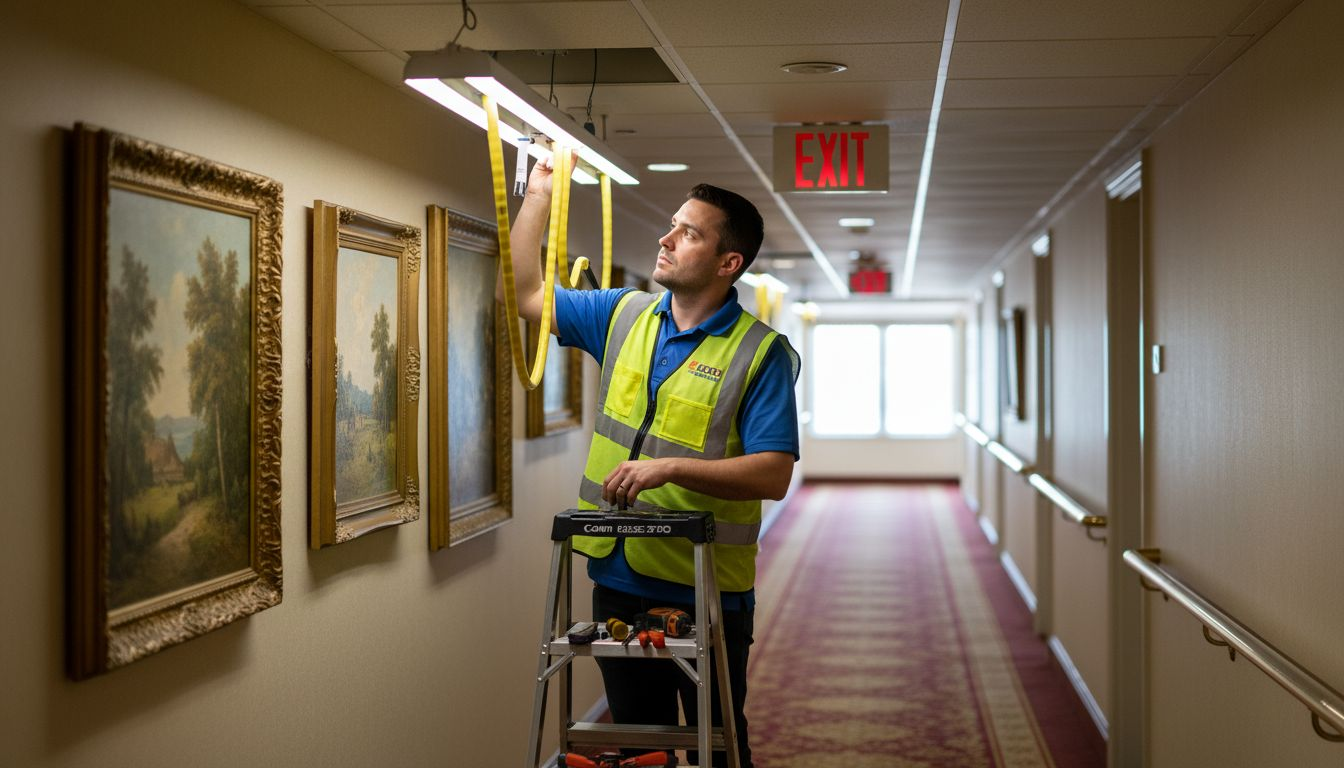
Next, conduct a physical inspection of your premises. Walk through your hotel’s corridors, guest rooms, restaurants, and back-of-house areas with a clipboard or mobile device. Document the type of bulbs currently installed, their wattage, how many fixtures exist in each area, and their usage patterns. Note which spaces stay lit during daytime when natural light is available. Take photographs of poorly lit areas or spaces with excessive lighting. Pay attention to the condition of your existing fixtures. Yellowed lenses, dust accumulation, or flickering bulbs all reduce efficiency and signal that upgrades are overdue. These on-site inspections form a critical part of identifying energy savings opportunities that might otherwise go unnoticed.
Consider installing temporary metering devices in key areas if your budget allows. These devices measure actual energy consumption and help you pinpoint which spaces consume the most power. A high-traffic restaurant area or reception hall will naturally use more energy than a storage room, but the data tells you exactly how much more. This information becomes invaluable when prioritising which areas to upgrade first. Understanding energy consumption patterns by end-use helps you allocate resources where they’ll deliver the greatest return.
Document everything systematically. Create a spreadsheet listing each area, current lighting type, wattage per fixture, quantity of fixtures, operating hours, and current condition. This becomes your reference guide throughout the upgrade process and helps you track savings later.
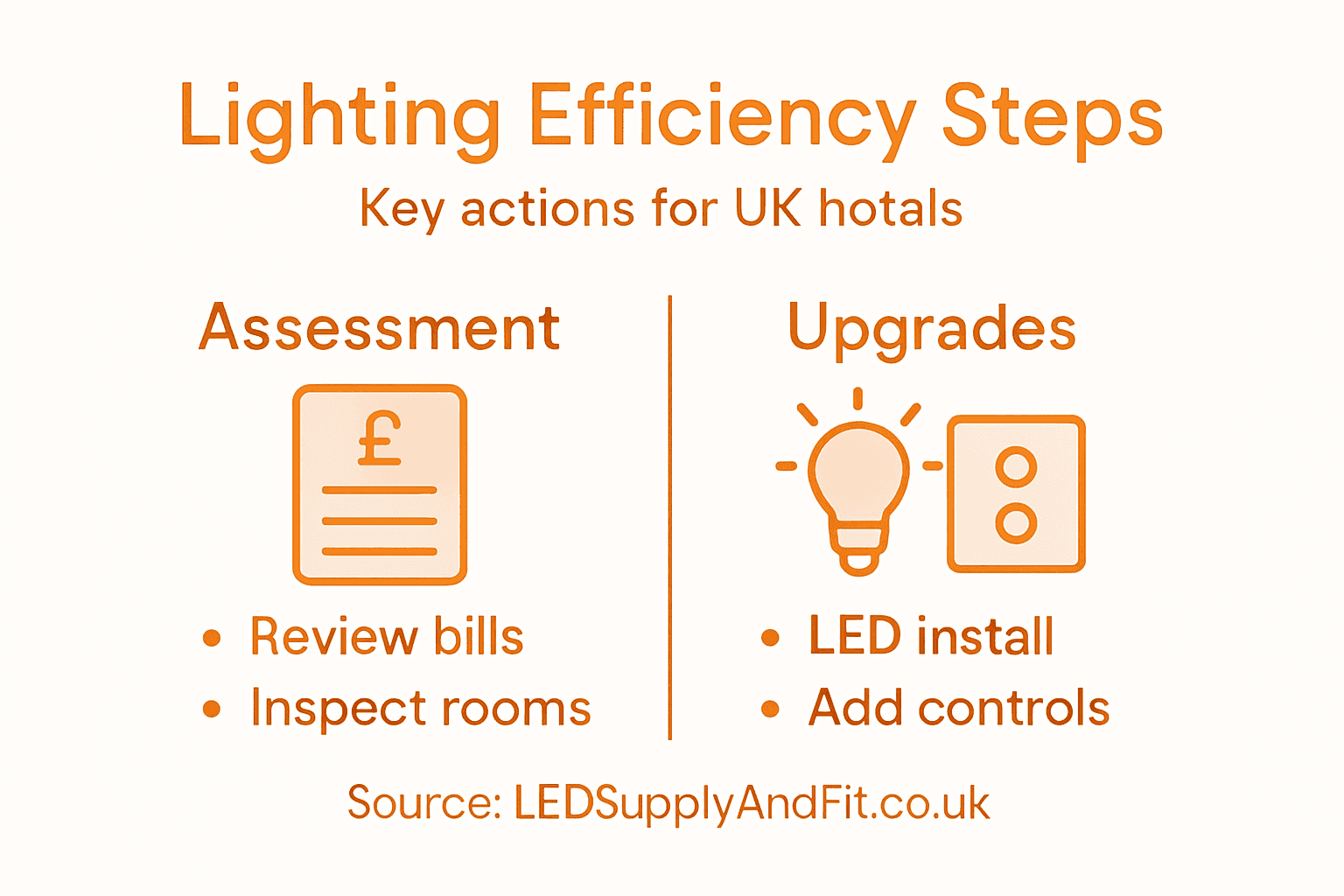
Here is a comparison of common lighting technologies used in hotels and their key characteristics:
| Lighting Type | Typical Lifespan | Energy Use (per fixture) | Light Quality Impact |
|---|---|---|---|
| Incandescent | 1,000 hours | High | Warm but inefficient |
| Fluorescent | 7,000–15,000 hours | Moderate | Can be harsh or flickery |
| LED | 25,000–50,000 hours | Very low | Consistent, adjustable, pleasant |
Pro tip: Request a free LED lighting survey from your supplier, as this professional assessment often identifies cost-saving opportunities you might miss during a self-conducted review, and provides specific product recommendations tailored to your hotel’s layout and usage patterns.
Step 2: Identify suitable LED upgrade opportunities
With your baseline assessment complete, you now need to pinpoint which lighting upgrades will deliver the biggest impact. Not all areas of your hotel are equal candidates for conversion. Some spaces might already have decent lighting systems, whilst others are draining energy and delivering poor light quality. Your goal is to identify the low-hanging fruit where LED replacements will save the most money and improve guest experience simultaneously.
Start by prioritising areas with the longest operating hours. Your reception area, corridors, and restaurant spaces typically run 16 to 24 hours daily. These are your highest-impact upgrade candidates because they accumulate the most energy consumption. Compare your current fixtures against what LED alternatives can offer. If you’re still using incandescent bulbs or older fluorescent lamps, replacement becomes straightforward. These older technologies consume significantly more energy than modern LEDs and burn out regularly, creating maintenance headaches and unexpected costs. LED lighting is now the dominant energy efficient technology available, providing longer lifespan, reduced energy consumption, and improved lighting quality compared to traditional sources. Look for areas where you’re currently replacing bulbs frequently, as this signals inefficient systems reaching the end of their life.
Consider lighting quality alongside energy consumption. Many hotel guests complain about harsh fluorescent lighting or dim, yellowed incandescent bulbs. LED upgrades give you the opportunity to improve guest perception whilst cutting costs. A warm white LED installation in guest rooms creates a more inviting atmosphere than what most hotels currently offer. Conference rooms and dining areas benefit from LEDs that provide consistent colour rendering, making food look more appetising and presentation spaces appear more professional. Pay attention to spaces where light flicker or inconsistency affects operations, as these indicate failing systems ready for replacement. Examine compatibility requirements carefully. Some fixtures may need new fittings, whilst others accept standard LED bulbs directly. Understanding these energy saving opportunities in commercial settings helps you make informed decisions about where to invest first.
Document which areas get priority based on operating hours, current condition, guest impact, and ease of retrofit. High-traffic public spaces with long operating hours typically offer the fastest payback periods. Create a staged upgrade plan rather than attempting everything at once. This allows you to fund improvements from the savings generated by early phases.
The table below summarises hotel areas, lighting priorities, and recommended upgrades:
| Area | Upgrade Priority | LED Feature Benefit |
|---|---|---|
| Reception | Very high | 24h use, lower running costs |
| Guest rooms | High | Improved ambiance and comfort |
| Restaurant | High | Enhanced colour rendering |
| Corridors | Very high | Continuous use, fastest payback |
| Storage/Kitchen | Medium | Sensors for infrequent use |
Professional tip: Prioritise upgrades in spaces with continuous lighting first, such as 24-hour reception areas and corridors, as these deliver maximum annual energy savings and typically pay for themselves within 2-3 years.
Step 3: Plan installation for maximum efficiency
Proper planning transforms your LED upgrade from a simple bulb swap into a strategic efficiency project. This step determines whether you’ll see modest savings or exceptional returns on your investment. The difference lies in thoughtful scheduling, appropriate product selection, and integration of controls that work with your hotel’s operational patterns.
Start by mapping out your installation timeline with guest impact in mind. Hotels operate continuously, which means you cannot simply shut down all lighting. Work with your installation team to schedule upgrades in phases, typically room by room or area by area. Off-season periods offer the best window for major upgrades in guest areas. Night shifts provide opportunities for public space renovations without disrupting daytime operations. Back-of-house areas like kitchens, laundries, and storage spaces can often be upgraded during quieter periods or in their entirety without affecting guests. Communicate installation schedules to your team so housekeeping, maintenance, and operations staff understand temporary changes to lighting availability. A well-coordinated approach minimises guest complaints and keeps your team confident in the process.
Select luminaires that match your actual light level requirements rather than oversizing fixtures. This is where many facility managers waste money. A corridor doesn’t need the same light intensity as a kitchen, yet both can benefit from proper LED specification. Work with your supplier to determine appropriate colour temperatures and brightness levels for each space. Guest rooms typically benefit from warm white LED options that create comfort and relaxation. Public areas like restaurants and lobbies may work better with neutral white LEDs that enhance ambiance without appearing institutional. Kitchens require cooler white LEDs for food safety visibility. Strategic planning for building efficiency upgrades emphasises using data driven approaches to select technologies that genuinely match your operational needs rather than applying one-size-fits-all solutions.
Integrate lighting controls where practical. Occupancy sensors in corridors and storage areas automatically switch lights off when spaces are empty, delivering additional savings beyond the LED upgrade itself. Dimming capabilities in dining areas and conference rooms let you adjust light levels based on natural daylight availability and time of day. These controls represent the difference between adequate efficiency improvements and truly optimised systems. Consider how your hotel’s daily rhythm affects lighting needs. Night auditors need bright light in back offices whilst guests sleep in darkened rooms. Conference areas need variable light for presentations versus breakfasts.
Professional tip: Schedule your largest installation phases during shoulder seasons when occupancy dips, allowing you to complete maximum upgrades with minimal guest disruption whilst capturing faster payback through sustained energy savings.
Step 4: Implement advanced lighting controls
Your LED installation becomes genuinely efficient only when paired with intelligent controls. Without them, you’re leaving substantial energy savings on the table. Advanced lighting controls automatically adjust illumination based on actual need, transforming your lighting system from a static installation into a dynamic, responsive asset that evolves with your hotel’s daily patterns.
Start with occupancy sensors in areas where lighting needs fluctuate throughout the day. Corridors, storage rooms, laundries, and back-of-house spaces sit empty for extended periods yet traditionally remain permanently lit. Motion sensors detect when staff enter these spaces and switch lights on automatically, then turn them off after a preset period of vacancy. This simple technology typically delivers 20 to 30 percent energy savings in these areas alone. Guest rooms present a different scenario. Occupancy sensors there work best when combined with manual override capabilities, allowing guests to control their environment whilst still benefiting from automatic shutoff when rooms sit vacant. Conference rooms and meeting spaces need flexible control allowing staff to adjust light levels based on presentation requirements, natural daylight availability, and time of day.
Daylight harvesting represents another powerful control strategy. Your hotel likely has windows in public areas, guest rooms, and some office spaces. During sunny days, natural light provides illumination that your artificial lighting system can reduce or eliminate. Daylight sensors measure incoming natural light and automatically dim or switch off artificial fixtures accordingly. This approach reduces energy consumption significantly whilst improving lighting quality that guests actually prefer to harsh artificial light. In restaurants and dining areas, this creates a more welcoming atmosphere without additional cost. Back-of-house areas benefit less from daylight harvesting but might still have windows where this technology applies. Networked lighting controls integrate individual fixtures into centralised systems allowing real-time monitoring and adaptive scheduling across your entire hotel.
Consider centralised lighting management systems that let your facilities team monitor and adjust lighting remotely. These systems provide data on energy consumption by area, alert you when fixtures malfunction, and allow scheduling of lighting changes across multiple zones simultaneously. Your night staff can dim public corridors during quiet periods, then gradually brighten them as morning approaches. During conferences or events, you can quickly adjust lighting across meeting spaces without visiting each room individually. This level of control transforms reactive lighting management into proactive optimisation. Integration with your building management system allows lighting to work in concert with heating, cooling, and security systems. Temperature control works better when coordinated with lighting that generates heat, creating opportunities for additional efficiency gains.
Professional tip: Begin with occupancy sensors in high-traffic back-of-house areas where installation is straightforward and payback occurs within 1 to 2 years, then expand to guest areas and daylight harvesting as your confidence and budget allow.
Step 5: Verify energy savings and optimise settings
Your upgrade is now complete, but the real work begins. Verification transforms assumptions into concrete data, revealing whether your investment delivered expected returns. This step ensures your systems perform optimally and provides the foundation for continuous improvement. Without proper verification, you’ll never know if your controls are working as intended or if further adjustments could unlock additional savings.
Begin by establishing a baseline comparison between your pre-upgrade and post-upgrade energy consumption. Pull your electricity bills from the same months in the previous year and compare them directly. A hotel operating during identical seasons experiences similar guest numbers and occupancy patterns, making year-over-year comparisons more reliable than month-to-month analysis. Document your findings systematically. Identify which areas delivered the expected savings and which underperformed. Perhaps your guest room LEDs exceeded projections whilst corridor lighting fell short of targets. These variations tell you where to focus optimisation efforts. If you installed metering devices during your assessment phase, review the data they collected. Modern metering provides granular information showing energy consumption by area, time of day, and even by individual fixture types. This level of detail reveals patterns your overall electricity bill never could. A restaurant area consuming more power during breakfast service than dinner service might indicate lighting controls need adjustment, or it could signal that staff leave some fixtures on unnecessarily during quiet periods.
Optimise your lighting control settings based on actual performance data. Adjusting lighting schedules and sensor sensitivities allows you to balance energy savings with occupant comfort. If occupancy sensors trigger lights off too quickly, guests and staff feel frustrated when lights switch off prematurely during extended periods of minimal movement. Conversely, if sensors remain active too long, you’re wasting energy. Test different timeout settings in specific areas and measure the results. A three-minute timeout might work perfectly in storage areas but prove too aggressive in back offices where staff work at desks for extended periods without moving. Dimming levels deserve similar attention. Perhaps your restaurant LEDs can dim to 60 percent during quiet periods without affecting guest experience, but conference rooms need brighter light during presentations. Your control system allows individual zone optimisation, so use that capability.
Schedule regular review cycles. Monthly comparisons help you spot trends. A jump in energy consumption might indicate a failing fixture, or staff leaving lights on in previously unoccupied spaces. Quarterly deep dives into your metering data reveal seasonal patterns and opportunities. Summer guest rooms might need less lighting than winter rooms due to longer daylight hours. Winter corridors benefit from earlier brightening schedules as darkness falls sooner. Guest feedback matters too. If multiple guests complain about lighting brightness or colour temperature, that information guides adjustments that improve satisfaction whilst maintaining efficiency.
Professional tip: Track your energy consumption monthly for the first year, comparing each month against the previous year, and use that data to identify which areas need fine tuning before making permanent schedule or control adjustments.
Elevate Your Hotel’s Lighting Efficiency with Expert LED Solutions
Improving lighting efficiency is crucial for UK hotels aiming to reduce energy costs while enhancing guest comfort and ambiance. This article highlights key challenges such as assessing current lighting, prioritising LED upgrades in high-use areas, and implementing advanced controls for maximum savings. If you want to solve issues like excessive energy consumption from outdated incandescent or fluorescent bulbs and create a welcoming atmosphere using warm white LED technology, understanding these pain points is the first step.
At Ledsupplyandfit.co.uk, we specialise in supplying and installing tailored LED lighting solutions designed specifically for commercial spaces like hotels. Our expertise covers everything from efficient LED product selection to professional installation, including occupancy sensors and daylight harvesting controls that deliver proven energy savings and a superior guest experience.
Upgrade your hotel lighting now for long-term cost savings and environmental benefits.
Discover how to transform your hotel’s lighting with our comprehensive range of LED products and expert fitting services at Ledsupplyandfit.co.uk. Benefit from bulk discounts, next-day delivery, and professional advice specifically tuned to UK commercial lighting needs. Don’t wait for high energy bills to rise further—take control of your lighting efficiency today by visiting our site and scheduling a consultation.
Frequently Asked Questions
How can I assess my hotel’s existing lighting and energy usage?
Begin by collecting your electricity bills from the last 12 to 24 months to understand how much energy lighting consumes. Document the types of bulbs, wattage, and usage patterns in each area of your hotel for a clear baseline.
What areas of my hotel should I prioritise for LED upgrades?
Focus on high-traffic spaces that operate for long hours, such as reception areas, restaurants, and corridors. These areas typically yield the highest energy savings and improved guest experience when upgraded to LED lighting.
How can I integrate advanced lighting controls in my hotel?
Implement occupancy sensors in areas such as corridors and storage rooms to automatically turn off lights when not in use. Start with high-traffic back-of-house areas for quick payback and gradually expand to guest areas and daylight harvesting systems.
What steps should I take to verify energy savings after upgrading to LED lighting?
Establish a comparison between your pre-upgrade and post-upgrade electricity consumption using your monthly bills. Monitor the data regularly for any significant changes, and adjust your lighting settings to optimise performance and savings based on actual usage patterns.
Why is planning important for my LED installation?
Proper planning ensures minimal disruption to guests while maximising energy savings. Schedule upgrades in phases during off-peak periods and ensure that selected fixtures match the specific lighting needs of each area to avoid overspending.
What should I do if guests provide negative feedback about lighting?
Monitor guest comments regarding brightness or colour temperature, and use this feedback to make necessary adjustments. Test different lighting settings and make changes based on guest preferences, which can enhance their overall experience and comfort.
Recommended
- 7 ways to reduce energy consumption with your lighting system | LED Supply & Fit
- Increasing KWH Cost: Here we give you 7 tips to save energy | LED Supply & Fit
- Legislation Change for LED Panels | LED Supply & Fit
- School Funding for LED Lighting | LED Supply & Fit
- Hospitality POS Systems – Powering UK Restaurant Success