
How to Select LED Fixtures for Commercial Spaces
Balancing rising costs with customer expectations can leave facility managers searching for smarter ways to manage lighting. Upgrading to energy-efficient LED fixtures is not only about saving money, but also about delivering consistent, comfortable illumination throughout British hospitality and retail premises. This guide walks you through every step, from assessing your unique lighting needs to ensuring your chosen fixtures are high quality and fully compatible, making your path to better lighting simple and transparent.
Table of Contents
- Step 1: Assess Lighting Needs For Your Premises
- Step 2: Review LED Fixture Specifications And Ratings
- Step 3: Compare Energy Efficiency And Cost Savings
- Step 4: Evaluate Installation And Compatibility Options
- Step 5: Verify Quality And Performance Of Selected Fixtures
Quick Overview
| Main Insight | Clarification |
|---|---|
| 1. Assess Your Lighting Needs | Conduct a thorough site survey to document current conditions, ensuring tailored LED selections for specific workspace functions and preferences. |
| 2. Scrutinise LED Specifications | Carefully evaluate luminous efficacy, CRI, CCT, beam angle, and IP ratings to ensure optimal performance and efficiency for your lighting solutions. |
| 3. Analyse Energy Efficiency and Costs | Compare initial purchase costs, energy consumption, lifespan, and maintenance to assess long-term savings and return on investment for LED fixtures. |
| 4. Ensure Installation Compatibility | Evaluate existing electrical infrastructure and potential challenges for a smooth LED retrofit to maximise performance and minimise disruption. |
| 5. Validate Quality and Performance | Obtain independent testing documentation to confirm the reliability and performance of selected LED fixtures, safeguarding your investment. |
Step 1: Assess Lighting Needs for Your Premises
Selecting the right LED fixtures for your commercial space begins with a comprehensive assessment of your specific lighting requirements. This critical first step determines the overall success of your lighting upgrade, ensuring you achieve optimal performance, energy efficiency, and visual comfort.
To effectively evaluate your premises’ lighting needs, consider these key factors:
- Workspace function: Different areas require distinct lighting levels and qualities
- Colour temperature preferences: Cool or warm lighting impacts employee productivity and customer perception
- Energy consumption targets: LED fixtures offer significant efficiency improvements
- Existing electrical infrastructure: Compatibility with current systems is crucial
Start by conducting a thorough site survey, documenting current lighting conditions using comprehensive lighting assessment guidelines. This involves measuring existing illumination levels, identifying shadowy areas, and understanding the specific visual tasks performed in each space.
Professional lighting designers recommend creating a detailed lighting layout map that highlights distinct zones within your commercial environment. Pay special attention to task-specific areas like workstations, customer interaction spaces, and circulation routes, each requiring nuanced illumination strategies.
Accurate lighting assessment is the foundation of an effective LED fixture selection process.
Pro tip: Invest in a professional light metre to obtain precise illumination measurements, ensuring your LED fixture selection meets exact workplace performance standards.
Step 2: Review LED Fixture Specifications and Ratings
Understanding the technical specifications of LED fixtures is crucial for making an informed purchasing decision for your commercial space. This step involves carefully examining the detailed characteristics that determine the performance, efficiency, and suitability of your lighting solutions.
Key specifications to scrutinise include:
- Luminous efficacy: Measures light output per watt of electrical power
- Colour rendering index (CRI): Indicates how accurately colours appear under the lighting
- Correlated colour temperature (CCT): Describes the warmth or coolness of the light
- Beam angle: Determines the spread and coverage of light
- Ingress protection (IP) rating: Shows resistance to dust and moisture
Carefully review the LED lighting standards and testing methods to ensure comprehensive product evaluation. Professional specifiers recommend comparing manufacturer specifications against recognised industry certifications such as ANSI, IESNA, UL, and NEMA to validate performance claims.

Pay particular attention to driver quality, dimming capabilities, and expected lifespan, as these factors significantly impact long-term performance and return on investment. Look for detailed performance data that demonstrates the fixture’s reliability under various commercial operating conditions.
To clarify LED fixture specifications, here’s a summary of their practical relevance:
| Specification | Why It Matters | Typical Business Benefit |
|---|---|---|
| Luminous efficacy | Reduces energy per light output | Lower bills, improved efficiency |
| CRI | Ensures true colour visuals | Enhances branding, customer trust |
| CCT | Matches workplace mood | Boosts productivity or comfort |
| Beam angle | Controls light spread | Avoids dark spots or glare |
| IP rating | Withstands harsh environments | Reliable operation, less downtime |
Technical specifications are the blueprint for selecting high-performance LED lighting solutions.
Pro tip: Create a comparison spreadsheet with key specifications from multiple manufacturers to objectively evaluate and compare LED fixture performance across different product ranges.
Step 3: Compare Energy Efficiency and Cost Savings
Evaluating the long-term financial and energy performance of LED fixtures is crucial for making a strategic lighting investment. This step involves a comprehensive analysis of potential savings, efficiency gains, and return on investment for your commercial space.
Key comparative metrics to consider include:
- Initial purchase cost: Upfront investment for LED fixtures
- Energy consumption: Electricity usage compared to traditional lighting
- Operational lifespan: Total hours of expected performance
- Maintenance requirements: Frequency and cost of replacements
- Electricity cost reduction: Potential annual savings
LED lighting efficiency studies demonstrate remarkable potential for cost reduction, with some organisations achieving up to 50% energy savings. Professional facility managers recommend conducting a detailed financial analysis that includes not just electricity costs, but also maintenance expenses and potential productivity improvements.
Calculate your potential savings by comparing the total cost of ownership between existing and proposed LED lighting systems. This should include initial installation costs, ongoing energy consumption, replacement frequency, and potential indirect benefits such as improved workplace lighting quality and reduced carbon footprint.
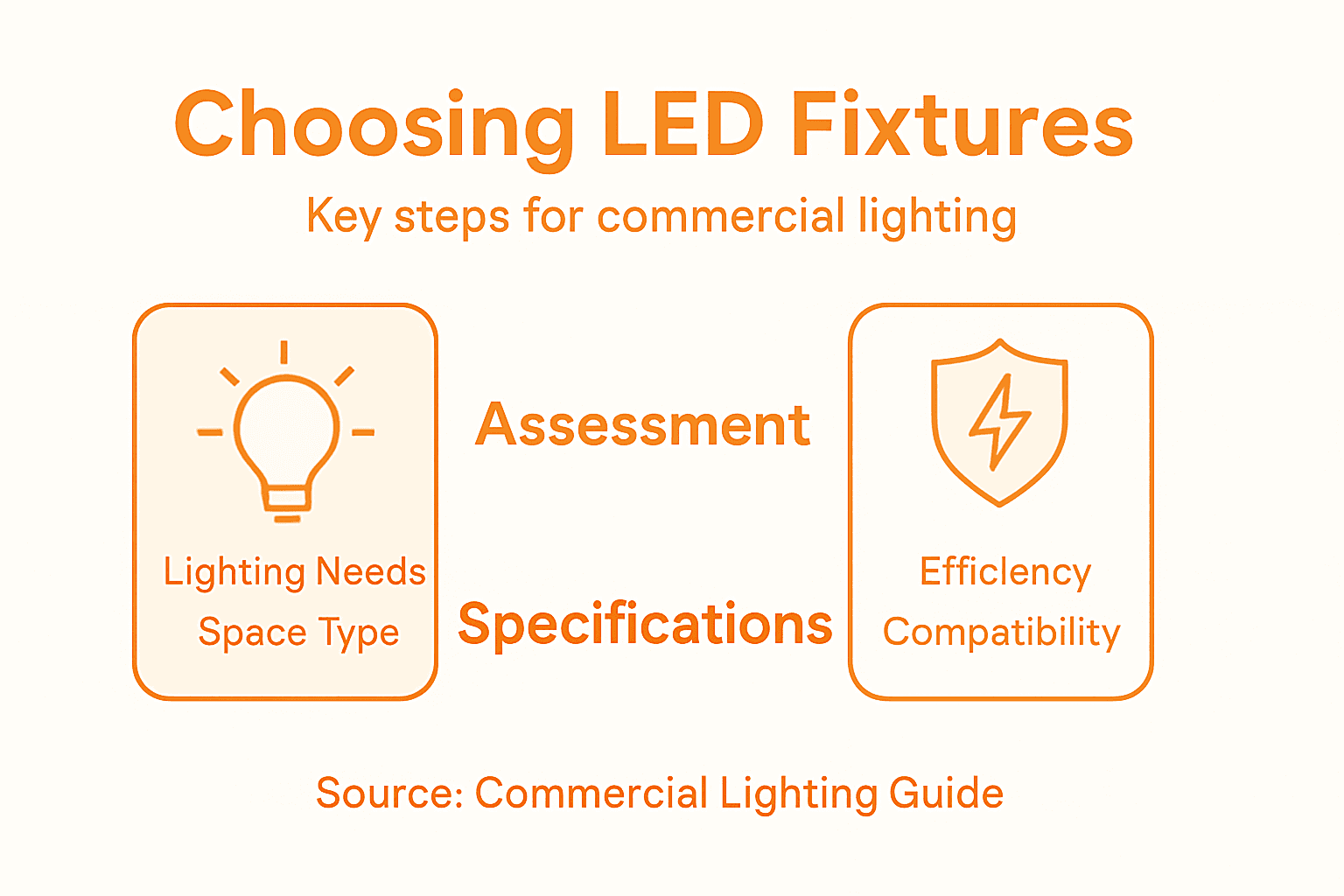
For a quick overview, here’s how LED upgrades compare to traditional lighting across key metrics:
| Metric | LED Lighting | Conventional Lighting |
|---|---|---|
| Energy consumption | Up to 50% lower | Consistently high usage |
| Operational lifespan | 25,000+ hours typical | Often 5,000 hours or less |
| Maintenance costs | Minimal, infrequent | Frequent replacements |
| Carbon footprint | Significantly reduced | High environmental impact |
Energy efficiency is not just an environmental choice, but a strategic financial decision.
Pro tip: Request comprehensive performance data and energy consumption reports from manufacturers to create an accurate, multi-year cost comparison model for your specific commercial environment.
Step 4: Evaluate Installation and Compatibility Options
Successfully integrating LED fixtures requires a meticulous assessment of your existing electrical infrastructure and potential installation challenges. This critical step ensures a smooth transition that minimises disruption and maximises performance across your commercial premises.
Key compatibility factors to consider include:
- Electrical wiring configuration: Current system requirements
- Mounting options: Existing fixture dimensions and attachment points
- Control system compatibility: Existing lighting management infrastructure
- Voltage requirements: Electrical load and power supply specifications
- Physical space constraints: Ceiling height and fixture dimensions
LED retrofit options and installation guidance recommend thoroughly examining three primary retrofit approaches: direct lamp replacement, ballast-compatible installations, and complete fixture replacements. Professional electricians suggest creating a detailed site survey that maps out existing electrical infrastructure and identifies potential modification requirements.
Carefully evaluate the complexity of installation by considering potential challenges such as rewiring needs, control system integration, and potential downtime during the upgrade process. This comprehensive approach helps prevent unexpected complications and ensures a seamless lighting system transition.
Compatibility assessment is the foundation of a successful LED lighting upgrade.
Pro tip: Engage a professional electrical consultant to conduct a comprehensive pre-installation assessment, identifying potential compatibility issues before purchasing your LED fixtures.
Step 5: Verify Quality and Performance of Selected Fixtures
Ensuring the reliability and performance of your chosen LED fixtures requires a systematic and thorough verification process. This critical step helps protect your investment and guarantees that the selected lighting solutions will meet your commercial space’s specific requirements.
Key performance verification parameters include:
- Photometric performance: Measuring light output and distribution
- Electrical safety ratings: Confirming compliance with industry standards
- Thermal management: Assessing heat dissipation and operational stability
- Colour rendering capabilities: Evaluating light quality and visual accuracy
- Energy efficiency metrics: Verifying claimed performance specifications
Global LED product quality requirements recommend comprehensive testing across multiple performance dimensions. Professional specifiers suggest obtaining independent certification documentation that validates manufacturer claims, including detailed test reports from accredited laboratories.
Request comprehensive documentation from manufacturers, including photometric reports, electrical safety certificates, and long-term performance data. Pay close attention to warranty terms, testing methodologies, and independent verification credentials that substantiate the fixture’s claimed capabilities.
Rigorous performance verification is your safeguard against substandard lighting investments.
Pro tip: Always request third-party testing documentation and compare performance specifications across multiple manufacturers to ensure you receive the highest quality LED fixtures for your commercial environment.
Elevate Your Commercial Lighting with Expert LED Solutions
Choosing the right LED fixtures for commercial spaces can feel overwhelming with so many technical details like luminous efficacy, CRI, and IP ratings to consider. You want lighting that not only reduces energy consumption but also enhances productivity and creates the perfect ambience for your business. At Ledsupplyandfit.co.uk, we understand these challenges and offer tailored LED lighting solutions that address your specific needs—from installation compatibility to verified product performance.
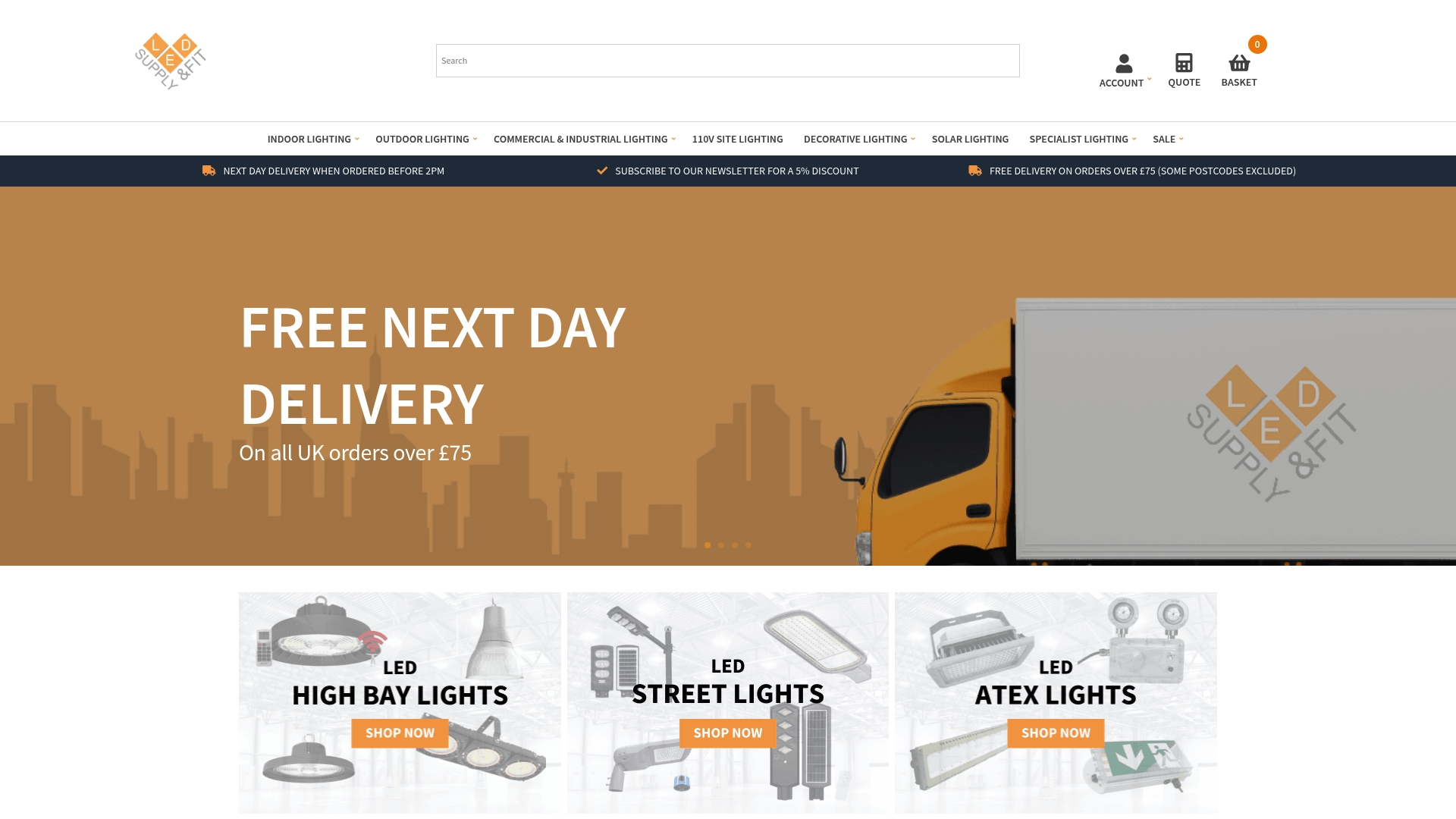
Don’t let uncertainty hold your project back. Explore our extensive range of high-quality LED products and professional installation services designed to deliver long-lasting savings and environmental benefits for offices, shops, hotels, warehouses, and more. Get started today by visiting our website and take advantage of next-day delivery and expert advice from experienced lighting specialists. Transform your commercial space with confidence now.
Frequently Asked Questions
What factors should I consider when assessing lighting needs for my commercial space?
To effectively assess lighting needs, consider workspace function, colour temperature preferences, energy consumption targets, and existing electrical infrastructure. Start by conducting a comprehensive site survey to document current lighting conditions and identify specific requirements for each area.
How can I review LED fixture specifications to make an informed decision?
Review key specifications like luminous efficacy, colour rendering index, correlated colour temperature, beam angle, and ingress protection rating. Create a comparison spreadsheet with these specifications from multiple manufacturers to objectively evaluate each option.
What are the long-term financial benefits of upgrading to LED lighting?
Upgrading to LED lighting can significantly reduce energy consumption, with potential savings of up to 50%. Calculate the total cost of ownership, including initial costs, maintenance, and energy savings, to understand the overall financial impact.
How do I evaluate the compatibility of LED fixtures with my existing electrical infrastructure?
Assess factors such as electrical wiring configuration, mounting options, control system compatibility, and voltage requirements. Conduct a detailed site survey to map existing infrastructure and identify any necessary modifications before selecting LED fixtures.
What steps should I take to verify the quality and performance of selected LED fixtures?
Request comprehensive documentation from manufacturers, including photometric reports and electrical safety certifications, to confirm performance claims. Always obtain third-party testing documentation to ensure the fixtures meet industry standards and your specific needs.
Recommended
- LED Lighting Selection Process for UK Commercial Facilities
- Upgrade Your Commercial LED Lighting! | LED Supply & Fit | LED Solutions
- Illuminating Your Shop/Store: Choosing the Best LED Lighting | LED Supply & Fit
- 7 Types of Commercial LED Lighting Every UK Retailer Needs
- How To Install Commercial Solar For Maximum Savings
- Commercial Solar Explained: Cutting Costs and Emissions