A Beginner’s Guide to LED Strip Lighting: Types, Uses, and Installation Tips
LED strip lighting is one of the most versatile and affordable ways to transform any space. Whether you’re illuminating a kitchen undercabinet, creating ambient mood lighting in a bedroom, or highlighting architectural features, LED strip lighting offers flexible, energy-efficient options. This beginner’s guide covers the basics, common types, practical uses, and essential installation tips to help you get the most from your LED strip lights.
What is LED strip lighting?
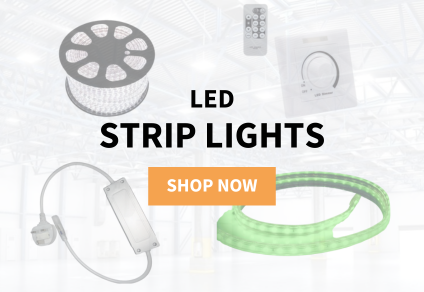
LED strip lighting consists of a thin, flexible circuit board embedded with light-emitting diodes (LEDs) and usually paired with an adhesive backing for easy mounting. They are designed to run along edges, under cabinets, behind TV units, or along coves and architectural recesses. LED strip lighting is available in a range of color temperatures, brightness levels, and lengths, making it suitable for both task lighting and ambient mood lighting.
Types of LED strip lights
Choosing the right LED strip lighting depends on where you plan to install them and what effect you want to achieve. Here are the main categories to consider:
- White LED strips: These are the most common and come in cool white, neutral white, and warm white. Cool white is energising and good for task lighting in kitchens and workspaces, while warm white creates a cosy atmosphere in living rooms and bedrooms.
- Colour-changing (RGB) LED strips: RGB strips let you choose from millions of colours. They’re ideal for entertainment spaces, gaming setups, and parties, where you want dynamic lighting that can be tailored to mood or occasion.
- RGBW and Tunable White: These strips add a dedicated white channel (or tunable white from warm to cool) to RGB LEDs. This allows for more precise white tones while still offering colour options.
- High-density and high-output strips: If you need brighter light or more uniform coverage, look for high-density (more LEDs per metre) or high-output variants.
- Waterproof vs non-waterproof: IP ratings indicate resilience to moisture. IP20 is common for indoor dry areas, IP65/IP67 are suitable for damp or wet environments like bathrooms or outdoor installations.
- Cuttable and extendable: Most LED strips are cuttable at marked intervals, allowing you to tailor length precisely. You can also extend runs with compatible connectors and power supplies.
Uses for LED strip lighting
LED strip lights are incredibly versatile. Here are popular applications and the benefits of each:
- Under-cabinet lighting: A bright, consistent wash of light on countertops makes food preparation safer and easier while reducing shadows.
- Accent lighting: Highlight artworks, architectural features, or shelves to add depth and visual interest to a room without overpowering it.
- Backlighting for TVs and monitors: Create a halo effect that reduces eye strain and enhances viewing comfort.
- Mood and ambient lighting: Colour-changing RGB strips or tunable white options enable you to adjust the atmosphere for relaxation, dining, or parties.
- Staircase and hallway illumination: Low-profile strips provide safe, subtle guidance through darker spaces.
- Outdoor and garden lighting: Waterproof versions can outline patios, decks, and pathways for extended use after dark.
Planning your installation
A successful LED strip lighting project starts with careful planning. Consider these factors before you buy:
- Length and layout: Measure the area you want to light and plan where runs will begin and end. Remember that cutting reduces the length, so account for connectors or extra tape to reach corners and fixtures.
- Power supply: LED strips require a compatible driver or power supply. Determine total wattage by multiplying length by wattage per metre, then choose a supply with some headroom. Classic 12V systems are common, but higher voltage options exist for long runs.
- Controllers and accessories: If you’re using RGB or tunable white, you’ll need a controller or remote. Some systems are smart-home compatible, allowing you to control lighting via apps or voice assistants.
- Dimming options: If you want adjustable brightness, ensure your strips and power supply support dimming. Not all cheap dimmers work well with all strips, so check compatibility.
- Heat management: LED strips produce some heat, especially longer runs. Adequate ventilation or placing strips on metal channels can help dissipate heat and prolong life.
- Safety and compliance: Ensure installations follow local electrical codes. When in doubt, consult a qualified electrician, particularly for mains-powered sections or outdoor applications.
Installation tips for beginners
- Clean surfaces before applying: Dust and grease reduce adhesion. Wipe with isopropyl alcohol and let dry completely.
- Use mounting channels for a neat finish: Metal or plastic channels with diffusers protect the strip, help with heat dissipation, and create a professional look.
- Plan for extension and connectors: Use appropriate connectors for corner turns and straight runs. Avoid forcing bent strips; instead, use angled or corner-specific connectors.
- Avoid running strips over sharp edges: Sharp bends can damage the circuit. Use soft curves and keep bends to the marked cut points.
- Check polarity: LEDs have positive and negative ends. Align the connectors correctly to prevent non-functioning sections.
- Test before final mounting: Temporarily connect power and test each section. This makes it easier to troubleshoot and reduces the need to rework once mounted.
- Hide wires neatly: Route cables along edges, inside channels, or behind furniture to keep spaces tidy and safe.
Safety considerations
- Use appropriate power supplies: Do not overload a single driver. Match the driver rating to the total wattage of your strip run, leaving a margin for safety.
- Waterproofing for damp environments: In kitchens, bathrooms, or outdoors, use IP-rated waterproof strips and seal connections as needed.
- Avoid moisture intrusion into connectors: Seal connections in areas exposed to moisture to prevent corrosion and short circuits.
Final thoughts
LED strip lighting offers an approachable entry into modern, flexible illumination. By understanding the types, applications, and practical installation tips, you can create customised lighting solutions that enhance both form and function in your space. Whether you’re aiming for subtle under-cabinet visibility, dramatic wall washes, or vibrant colour scenes for entertaining, LED strip lights deliver impressive impact with energy efficiency and ease of use. Start small, plan carefully, and gradually expand your setup as you gain confidence and experience with LED strip lighting.