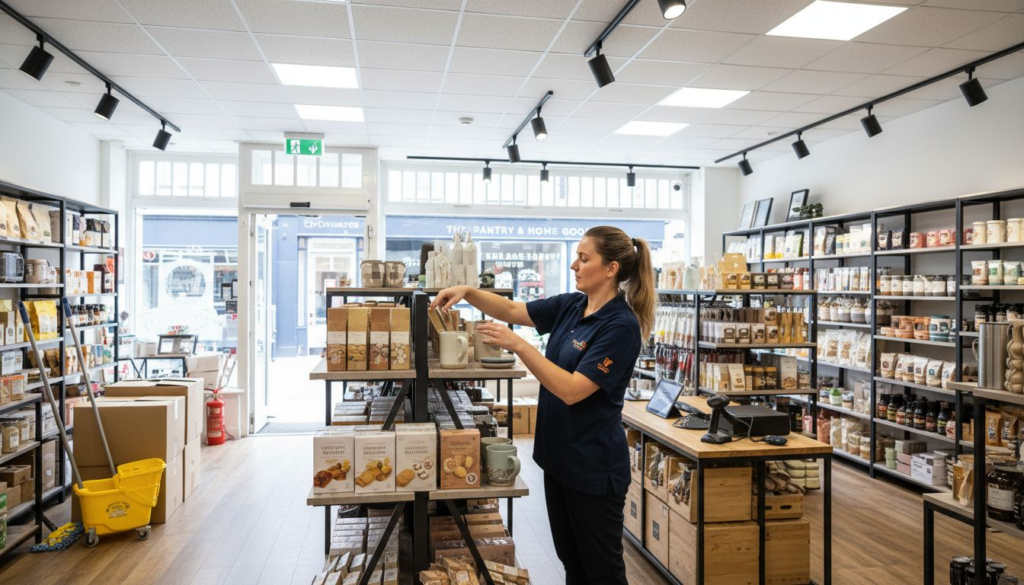
7 Types of Commercial LED Lighting Every UK Retailer Needs
Upgrading retail lighting often feels overwhelming with so many choices and technical details. Whether you want to improve customer experience or reduce energy costs, picking the right LED solutions can make a real difference. If you’re unsure where to start, practical insights from modern commercial environments offer useful guidance.
This guide highlights specific LED lighting options and strategies proven to deliver comfort, efficiency, and savings for British retailers. You’ll discover actionable tips that help lower operational expenses, enhance visibility, and create a welcoming atmosphere. Get ready to learn which lighting types work best for each space and see how sensor controls and daylight harvesting can automatically optimise your energy use.
Table of Contents
- 1. Panel LED Lights For Modern Office Spaces
- 2. Downlights To Enhance Customer Areas
- 3. High Bay LEDs For Warehouses And Gyms
- 4. Waterproof And Vapour Proof LED Fittings
- 5. Track Lighting For Shops And Retail Displays
- 6. Sensor-Controlled LED Solutions For Energy Savings
- 7. ATEX-Rated LEDs For Hazardous Environments
Quick Summary
| Key Message | Explanation |
|---|---|
| 1. Use Panel LED Lights for Efficiency | Panel LEDs save up to 70% energy compared to fluorescents, enhancing productivity with even illumination and reducing eye strain. |
| 2. Enhance Customer Engagement with Downlights | Focused downlights create visual hierarchy, encouraging customers to spend longer browsing and increasing sales transaction values. |
| 3. Implement Sensor-Controlled Lighting Solutions | Sensor systems reduce energy costs by up to 45% by adjusting brightness based on occupancy and natural light, improving efficiency. |
| 4. Select High Bay LEDs for Large Spaces | High bay LEDs use less energy and last longer than traditional lights, ensuring safety and considerable savings in high ceiling areas. |
| 5. Opt for ATEX-Rated Lights in Hazardous Areas | ATEX-certified fixtures are essential for safety in explosive environments, ensuring compliance with legal requirements and protecting your business. |
1. Panel LED Lights for Modern Office Spaces
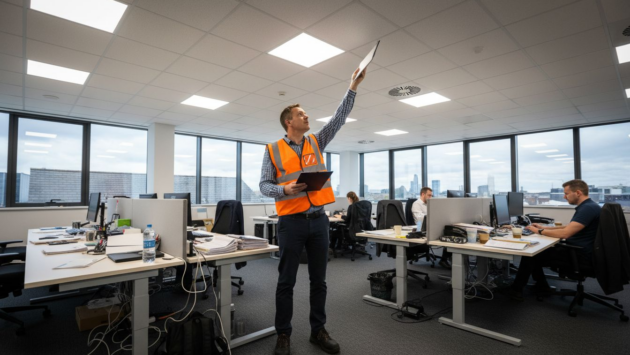
Panel LED lights have become the standard choice for contemporary office environments across the UK. These sleek, flat fixtures mount directly into ceilings or walls, delivering even illumination without the harsh glare of traditional fluorescent panels. If your retail space has back office areas, staff rooms, or administrative zones, panel LEDs provide the comfort your team needs to stay productive throughout the day.
The appeal of panel lights lies in their efficiency and design. Unlike older ceiling systems that concentrate light in specific spots, LED panels distribute brightness uniformly across entire areas. This means no more shadowy corners or overly bright patches that cause eye strain. Your staff will notice the difference within days, particularly in task areas where accuracy matters. Better visibility reduces errors and improves morale, which directly affects your business operations.
When considering LED panel light types and benefits, focus on colour temperature and lumen output for your specific space. A 4000K colour temperature suits office work perfectly, providing neutral white light that enhances concentration without feeling clinical. For spaces where staff spend eight hours daily, this lighting quality prevents fatigue and maintains alertness.
Cost savings stack up quickly with LED panels. Compared to conventional fluorescent fittings, LED panels consume up to 70% less electricity whilst lasting three times longer. A typical medium retailer replacing thirty fluorescent panels could save roughly £1,200 annually on energy bills alone. That’s money directly back into your bottom line.
Installation flexibility makes panels particularly valuable for retail environments. They fit seamlessly into existing drop ceilings, require minimal rewiring, and can be positioned to suit your layout perfectly. Whether you need bright illumination for stockroom areas or softer lighting for customer spaces, panel systems adapt to your requirements without expensive structural changes.
Pro tip Match your panel brightness to your space’s purpose: stock areas and receiving zones need 400500 lux for safety and accuracy, whilst office and administrative spaces perform best at 300400 lux, reducing unnecessary energy consumption.
2. Downlights to Enhance Customer Areas
Downlights are your secret weapon for creating inviting retail spaces that draw customers in and keep them engaged. These recessed ceiling fixtures deliver focused light exactly where you need it, whether highlighting merchandise displays, illuminating fitting rooms, or creating warm ambiance throughout your sales floor. Unlike generic overhead lighting, downlights give you precision control over how your customers experience your store.
The magic of downlights lies in their ability to guide customer attention. Strategic placement above product displays creates visual hierarchy, making certain items stand out whilst others recede into softer light. This psychological aspect of retail lighting influences purchasing behaviour more than most retailers realise. Customers spend longer browsing when they can see products clearly, and that extra dwell time translates to higher transaction values.
Understanding why LED downlights matter for customer areas helps you make informed choices about placement and specifications. LED downlights generate minimal heat, making them safe to position near delicate merchandise or fabric displays. They also offer exceptional colour rendering, meaning clothes, cosmetics, and food items appear vibrant and true to life rather than washed out or discoloured.
Energy consumption with LED downlights proves remarkably efficient compared to halogen alternatives. A single halogen downlight consumes around 50 watts, whilst an equivalent LED uses just 8 to 12 watts. Replace 20 downlights across your customer area and you could cut energy costs by roughly 80% annually. This substantial saving improves your profit margins without compromising light quality or customer experience.
Dimmability opens another dimension for your retail space. LED downlights work brilliantly with dimming controls, allowing you to adjust brightness throughout the day or for different sales campaigns. Bright light energises the space during peak shopping hours, whilst softer illumination creates evening ambiance that encourages leisure browsing and impulse purchases.
Thermal management matters too. Because LEDs produce far less heat than traditional fixtures, your air conditioning systems work less hard, reducing overall climate control costs and creating more comfortable shopping conditions for customers during warm months.
Pro tip Install downlights on dimmer switches in customer areas and reduce brightness by 30% during quieter trading hours to trim energy bills whilst maintaining adequate visibility for security and safety.
3. High Bay LEDs for Warehouses and Gyms
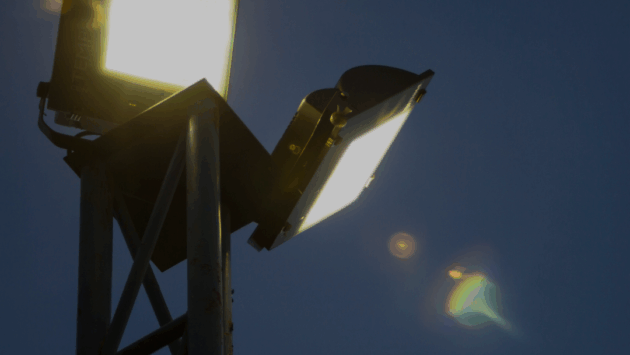
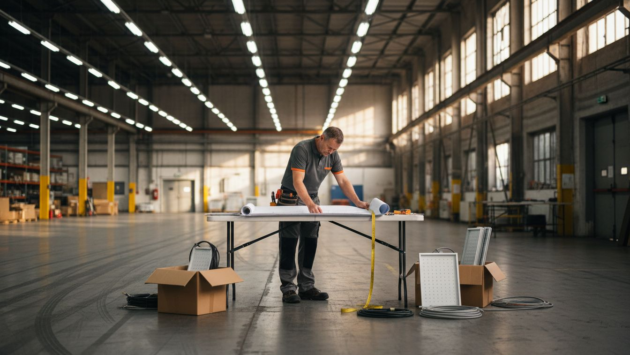
High bay lighting represents a completely different challenge from standard retail illumination. These powerful fixtures mount at heights of 4 metres or more, flooding large open spaces with intense, uniform light. If you operate a warehouse, storage facility, or gym with soaring ceilings, high bay LEDs are essential for safety, productivity, and cost control.
Traditional high bay solutions used metal halide or high pressure sodium lamps that consumed enormous amounts of energy. A single 400 watt metal halide fixture could cost over £40 monthly in electricity alone. LED high bay alternatives deliver equivalent or superior brightness using just 100 to 150 watts, slashing your energy bills by 75% or more. Over a year, this difference becomes staggering, especially when you need dozens of fixtures across a large warehouse.
When you understand how to choose high bay LED lights, several factors emerge as critical. Lumen output matters tremendously at height because light disperses as it travels downwards. A 150 watt LED high bay typically produces 15,000 to 20,000 lumens, adequate for most warehouse applications. For gym spaces where visibility impacts both performance and safety, you need similar brightness levels to prevent accidents during intense physical activity.
Heat dissipation becomes less problematic with LEDs in these applications. Traditional metal halide fixtures generate extreme heat requiring specialised ventilation. LEDs produce minimal thermal output, reducing cooling costs in summer months and eliminating the risk of overheating in poorly ventilated warehouses. Your climate control systems work more efficiently, further reducing operational expenses.
Longevity is another decisive advantage. High bay LEDs last approximately 50,000 hours compared to just 10,000 hours for metal halide equivalents. In a warehouse running lights 16 hours daily, that means replacing traditional lamps every two years versus changing LED fixtures only once every seven years. Consider labour costs and disruption to operations when lights fail. LEDs eliminate that headache entirely.
Colour temperature influences productivity more than many managers realise. A 5000K colour temperature keeps warehouse staff alert and focused during long shifts, whilst 4000K suits gym environments where customers appreciate a slightly warmer, more welcoming atmosphere without sacrificing safety or visibility.
Pro tip Install occupancy sensors with your high bay LEDs so lights automatically power down in unused warehouse sections during quiet periods, adding another 20% to your annual energy savings without affecting operational safety.
4. Waterproof and Vapour Proof LED Fittings
Moisture and humidity are silent killers of standard LED fixtures. If your retail space includes kitchens, changing rooms, swimming pools, or food preparation areas, waterproof and vapour proof LED fittings become non negotiable investments. These specialist fixtures withstand moisture, salt air, and corrosive environments where regular lighting would fail within months.
The difference between waterproof and vapour proof matters more than most retailers understand. Waterproof fittings resist splashing and temporary water exposure, making them ideal for kitchens and bathrooms. Vapour proof variants handle constant humidity and condensation without degradation, critical for steam filled environments or areas with poor ventilation. Both types feature sealed components, reinforced gaskets, and corrosion resistant materials that protect internal electronics from environmental damage.
Standard LED fixtures simply cannot survive these conditions. Water infiltration causes short circuits, component failure, and premature burnout. You might replace a regular light every 12 months in a humid space, whilst a quality waterproof or vapour proof fitting lasts five to seven years. That durability multiplies savings across your entire facility.
IP ratings tell you exactly what protection a fitting offers. An IP65 rating means complete dust protection and water resistance against water jets from any angle. IP67 ratings go further, allowing temporary submersion. When choosing LED batten lights for challenging environments, confirm the IP rating matches your specific location’s moisture levels. A changing room requires different protection than a swimming pool deck.
Installation locations determine which option you need. Food preparation areas where steam rises constantly need vapour proof fittings with antimicrobial coating options. Changing room areas with occasional splashing can use waterproof variants. Outdoor covered areas exposed to salt spray demand specialist corrosion resistant materials. Getting this selection wrong costs money through repeated replacements and potential electrical hazards.
Material composition separates premium waterproof fittings from budget alternatives. Look for stainless steel or aluminium housings rather than plastic, which degrades under UV exposure and temperature fluctuations. Non corrosive gaskets maintain seals over time, whilst inferior products harden and crack, allowing moisture ingress.
Pro tip In high humidity areas like changing rooms or food halls, choose tri proof fittings that offer waterproof, vapour proof, and dust proof protection simultaneously, providing maximum longevity and reducing your replacement frequency significantly.
5. Track Lighting for Shops and Retail Displays
Track lighting gives you unmatched flexibility for highlighting merchandise and creating dynamic retail environments. These systems consist of a live electrical rail mounted on your ceiling or walls, with individual light heads that slide into position and rotate to point anywhere you need. Unlike fixed downlights, track systems adapt instantly when you redesign displays or change seasonal promotions.
The beauty of track lighting lies in precise directional control. Each head operates independently, allowing you to create dramatic spotlighting effects that draw customer attention to specific products. A jewellery counter benefits from concentrated beam angles that make diamonds sparkle, whilst clothing racks need broader illumination to show colours accurately. You achieve this flexibility without rewiring or structural changes.
When considering how to select lighting for your retail space, track systems offer superior adaptability compared to permanent fixtures. Modern LED track heads consume remarkably little power whilst delivering intense brightness. A typical LED track head uses 10 to 15 watts but produces equivalent light to a 50 watt halogen equivalent, slashing energy consumption by 70 percent.
Longevity matters tremendously with track systems because you use them intensively. Quality LED track heads last 40,000 to 50,000 hours without dimming, meaning you rarely replace bulbs during normal retail operations. This reduces maintenance costs and the frustration of dark displays during peak trading periods. Halogen alternatives require replacement every 2,000 hours, creating constant maintenance headaches and unexpected downtime.
Colour rendering capability influences how products appear to customers. LED track heads with 90+ colour rendering index (CRI) make fabrics, foods, and cosmetics look vibrant and true to life. Poor CRI ratings make merchandise appear dull or discoloured, directly impacting purchasing decisions. Customers instinctively avoid products that look unappealing under harsh lighting.
Temperature control prevents product damage in sensitive areas. Unlike halogen spots that generate excessive heat, LED track heads stay cool enough to position inches from delicate merchandise without risk of melting packaging or damaging perishable goods. This safety advantage expands your display options considerably.
Mounting flexibility adapts to any retail layout. Track systems install on ceilings, walls, or even slopes without complications. You can add or remove individual heads as your displays evolve, making these systems genuinely future proof investments.
Pro tip Position track heads at 30 to 45 degree angles rather than directly overhead to minimise shadows on product faces and create professional retail lighting that enhances merchandise appeal and encourages customer engagement.
6. Sensor-Controlled LED Solutions for Energy Savings
Sensor-controlled LED lighting represents the frontier of retail energy efficiency. These intelligent systems automatically adjust brightness based on occupancy and natural daylight, eliminating wasted energy in empty spaces or during bright daylight hours. For UK retailers managing tight margins, sensor solutions deliver measurable cost reductions without sacrificing customer experience or safety.
Motion sensors detect presence and trigger lights to operate only when needed. A stockroom that sits empty for hours no longer burns electricity needlessly. Fitting rooms turn off automatically when unoccupied, yet illuminate instantly when a customer enters. This on demand approach reduces energy waste dramatically across your entire facility, particularly in back of house areas where staff work sporadically.
Daylight harvesting takes efficiency further by measuring natural light levels and dimming LEDs accordingly. On a bright morning, your front of shop lighting automatically reduces, saving energy whilst maintaining adequate illumination. As afternoon clouds roll in, the system gradually increases brightness to compensate. Studies demonstrate that intelligent sensor LED combinations can reduce overall lighting energy consumption by up to 45 percent in retail environments. Your facility essentially adapts to changing conditions without any manual intervention.
Implementing strategies to reduce energy consumption with lighting systems provides practical pathways to substantial savings. Occupancy sensors cost remarkably little to install in existing fixtures, returning their investment within months through reduced power bills. Many sensors integrate seamlessly with current LED infrastructure, requiring minimal rewiring or structural changes.
Real world results prove the value of sensor technology. A medium sized retailer retrofitting a 2,000 square metre space with motion sensors and daylight harvesting typically reduces lighting costs by £3,000 to £5,000 annually. Over a five year period, that totals £15,000 to £25,000 in pure savings. The payback period rarely exceeds 18 months, making sensor solutions financially compelling even before considering environmental benefits.
Customer comfort remains paramount. Quality sensor systems use gradual dimming transitions rather than abrupt on off switching, creating seamless lighting experiences that customers never consciously notice. Staff appreciate consistent, flicker free illumination that supports concentration and reduces eye strain during long shifts.
Pro tip Combine occupancy sensors in back office areas with daylight harvesting in customer zones, prioritising sensor installation in spaces that sit empty frequently rather than retrofitting your entire store simultaneously.
7. ATEX-Rated LEDs for Hazardous Environments
ATEX-rated LED lighting is non negotiable if your retail operation includes hazardous areas where flammable gases, vapours, or dust might be present. These specialised fixtures comply with European safety standards that prevent electrical equipment from igniting explosive atmospheres. If you operate a petrol station, chemical storage facility, or any space with potential explosive risks, ATEX certification is legally mandatory, not optional.
Understanding why ATEX lighting matters in hazardous environments helps you appreciate the engineering complexity involved. Standard LED fixtures can generate sparks or reach temperatures that ignite volatile substances. ATEX certified equipment undergoes rigorous testing to eliminate ignition risks through multiple safety layers. Special enclosures prevent internal sparks from escaping, surface temperatures remain strictly controlled, and electrical components use intrinsically safe designs that limit energy to levels incapable of causing ignition.
The certification process itself demands meticulous engineering. ATEX ratings specify the exact conditions under which fixtures operate safely. A rating of II 2G Ex db means the fixture is suitable for Group II equipment in gas atmospheres, Category 2 (occasional hazardous atmosphere), with specific design characteristics preventing hazards. These classifications are not marketing claims but legally binding safety declarations verified through independent testing.
Compliance protects your business financially and legally. Operating non certified lighting in hazardous areas exposes you to catastrophic liability if an explosion occurs. Insurance becomes invalid, prosecution follows, and personal injury claims become devastating. Conversely, ATEX certified fixtures cost only slightly more than standard alternatives whilst eliminating these risks entirely.
Installation requires specialised knowledge. ATEX certified electricians understand zone classifications and fixture placement requirements that ordinary installers miss. Zone 1 areas require Category 2 equipment, whilst Zone 0 areas demand Category 1 fixtures. Getting this classification wrong renders your installation non compliant despite using certified equipment. Professional ATEX installation ensures your system meets all regulatory requirements.
Maintenance obligations accompany ATEX certification. Fixtures require periodic inspection and testing to verify ongoing compliance. Damage or modification invalidates certification, so replacement rather than repair often becomes necessary. Plan for these requirements when budgeting for hazardous area lighting.
Pro tip If your business has both hazardous and standard areas, use ATEX-rated fixtures throughout to simplify compliance and maintenance procedures, even though standard areas don’t legally require them.
Below is a comprehensive table summarising the main aspects of LED lighting solutions for various applications as discussed in the article.
Upgrade Your Retail Lighting with Expert LED Solutions
The challenge of selecting the perfect commercial LED lighting to enhance productivity, save on energy costs and ensure safety is real for UK retailers. Whether you need panel LED lights for well-lit offices, sensor-controlled LEDs for energy savings or ATEX-rated fixtures for hazardous zones, making the right choice directly impacts staff wellbeing and your bottom line. Pain points such as high energy bills, frequent replacements, poor light quality or regulatory compliance can all be solved with the right professional support and high-quality products.
At Ledsupplyandfit.co.uk, we specialise in bringing these essential lighting solutions to your business. With our extensive range covering everything from sensor-controlled LED systems that reduce wasted energy to ATEX-certified lighting designed for hazardous environments, we help you save money and protect your staff. Our expert installation service combined with next-day delivery and bulk discounts means you get efficient, durable lighting tailored to your premises quickly and reliably.
Seize the opportunity to transform your commercial space with energy-efficient, long-lasting LED lighting. Visit Ledsupplyandfit.co.uk today to explore our full range and arrange a personalised consultation. Don’t wait for your current lighting to cost you more—make the smart switch now and experience better light, lower costs and complete peace of mind.
Frequently Asked Questions
What types of commercial LED lighting are ideal for enhancing office spaces?
Panel LED lights are best suited for office environments as they provide even illumination and reduce glare. To improve your office lighting, consider upgrading to panel LEDs with a colour temperature of 4000K for optimal concentration.
How can downlights improve customer experience in retail areas?
Downlights provide focused lighting that highlights merchandise and creates an engaging atmosphere. Install downlights strategically above product displays to guide customer attention and increase purchasing behaviour.
What factors should I consider when choosing high bay LEDs for my warehouse?
When selecting high bay LEDs, pay attention to lumen output and colour temperature, as these affect visibility and safety in large spaces. Choose fixtures that provide 15,000 to 20,000 lumens, ensuring adequate lighting for safety and productivity.
How do I determine the appropriate waterproof or vapour proof LED fittings for my business?
Understand the moisture levels in your retail space to choose the right fittings. For example, use waterproof fittings in kitchens and vapour proof fixtures in changing rooms to ensure longevity and prevent electrical hazards.
What advantages do sensor-controlled LED solutions offer to retail operations?
Sensor-controlled LED systems automatically adjust brightness based on occupancy and natural light, significantly reducing unnecessary energy consumption. To optimise energy savings, implement sensor technology in areas with low foot traffic to cut costs by up to 45% annually.
Why is ATEX-rated lighting necessary for certain retail environments?
ATEX-rated lighting is essential in areas where flammable gases or dust may be present, as it prevents ignition risks. Ensure compliance by installing ATEX-rated fixtures in hazardous zones, and consider using them throughout to simplify maintenance.
Recommended
- Illuminating Your Shop/Store: Choosing the Best LED Lighting | LED Supply & Fit
- LED Panel Lights: Exploring the Different Types of Uses and Benefits
- Upgrade Your Commercial LED Lighting! | LED Supply & Fit | LED Solutions
- A Beginner’s Guide to LED Strip Lighting: Types, Uses, and Installation Tips | LED Supply & Fit
- Commercial Solar Explained: Cutting Costs and Emissions