6 Essential LED Lighting Tips for Businesses to Save Costs
Running a hospitality venue often means dealing with high electricity bills and outdated lighting systems that no longer meet your guest comfort or operational needs. Finding ways to cut energy costs without sacrificing lighting quality is a real challenge for hotels, restaurants, and gyms. The pressure to create inviting spaces while saving money puts your lighting decisions at the centre of your business strategy.
The good news is that proven methods exist for maximising savings and improving lighting performance using modern solutions. LED technology now dominates the global lighting market and offers better efficiency, longer lifespans, and safer operation compared to older fluorescent lamps. By understanding which choices make the biggest impact, you can transform your venue and ensure both guest satisfaction and lower monthly costs.
Get ready to discover practical steps that help you select the right fittings, tailor lighting to each part of your premises, and unlock cost-saving strategies trusted by leading hospitality businesses. These insights will show you exactly how to achieve brighter spaces with lower expenses.
Table of Contents
- 1. Choose Energy-Efficient LED Fittings For Maximum Savings
- 2. Assess Lighting Needs Based On Business Premises Usage
- 3. Utilise Smart Controls To Optimise Lighting Performance
- 4. Take Advantage Of Bulk Purchase Discounts For Large Projects
- 5. Schedule Professional Installation To Ensure Safety And Reliability
- 6. Consider Environmental Certifications For Enhanced Reputation
Quick Overview
| Key Message | Explanation |
|---|---|
| 1. Choose Energy-Efficient LED Lights | Selecting LEDs can cut energy use by up to 44%, lowering monthly bills significantly. |
| 2. Assess Lighting Needs Based on Usage | Tailoring lighting to specific spaces avoids unnecessary energy waste and enhances guest satisfaction. |
| 3. Implement Smart Controls for Efficiency | Smart systems adjust lighting based on occupancy and natural light, maximising energy savings and comfort. |
| 4. Leverage Bulk Purchases for Cost-Effectiveness | Bulk orders can result in 15-30% savings, making large projects more affordable without sacrificing quality. |
| 5. Schedule Professional Installation for Safety | Certified installers ensure compliance with codes, reducing risks and ensuring long-term reliability of the lighting system. |
1. Choose Energy-Efficient LED Fittings for Maximum Savings
Selecting the right LED fittings is the foundation of reducing your energy bills. Your choice directly impacts both operational costs and guest comfort in hospitality settings.
LED fittings consume significantly less electricity than older lighting technologies. LED technology achieves 18-44% greater efficiency compared to traditional fluorescent lamps commonly installed in hotels, restaurants, and bars. This means the same light output requires far less power from your electrical system.
Switching to energy-efficient LED fittings can reduce your lighting energy consumption by up to 44%, translating directly to lower monthly utility bills.
Why LED fittings matter for your venue:
- Lower energy draw reduces your peak demand charges
- Extended lifespan means fewer replacement visits and less maintenance downtime
- No flickering or mercury content improves both safety and guest perception
- Better dimming capabilities let you adjust ambiance without wasting power
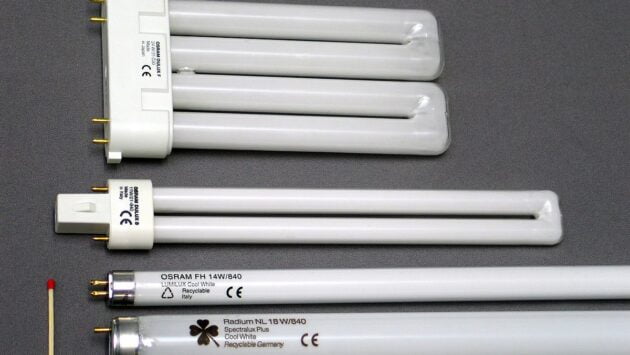
Fluorescent fixtures were designed for a different era. They generate heat, contain hazardous materials, and flicker noticeably in modern settings. Guests notice poor lighting quality, and it affects their experience negatively.
LED fittings deliver consistent, flicker-free light that enhances your spaces. Whether illuminating a hotel lobby, restaurant dining area, or gymnasium, quality LEDs provide superior performance at fraction of the running cost.
The global shift toward energy-efficient LEDs reflects their dominance in modern commercial settings. Businesses worldwide now recognise that LED fittings aren’t merely an upgrade—they’re a financial necessity.
When choosing fittings, match them to each space’s function. Corridors need different specifications than guest rooms or kitchen areas. Your facility manager should assess lighting levels, colour temperature (2700K for warm ambiance, 4000K for task lighting), and fixture type before purchasing.
Pro tip: Request samples from your supplier and test them in your actual spaces during different times of day; this ensures the colour temperature and brightness match your venue’s atmosphere before committing to a full installation.
2. Assess Lighting Needs Based on Business Premises Usage
One-size-fits-all lighting does not work in hospitality venues. Your hotel lobby, guest rooms, restaurant kitchen, and gym each demand different light levels and characteristics.
Assessing your specific usage patterns prevents wasting energy on excessive illumination. Different areas perform different tasks, and each task requires tailored lighting solutions that balance visibility with efficiency.
Why usage-based assessment matters:
- Guest rooms need dimming capabilities for comfort and energy savings
- Kitchens require high-intensity task lighting for safety and food preparation
- Corridors and stairwells need reliable visibility with minimal excess light
- Dining areas benefit from adjustable lighting that creates ambiance without brightness waste
- Back-of-house areas can operate with functional, lower-intensity lighting
International standards guide this process. Lighting quality standards recommend tailoring illumination to the specific visual tasks performed in each space. This prevents you from installing overpowered fixtures that drain energy unnecessarily.
Consider what actually happens in each zone of your premises. A guest bedroom requires soft, dimmable lighting that guests control easily. A reception desk needs bright, focused light for staff to process information accurately. A gymnasium needs consistent, high-quality illumination across large areas.
Matching lighting intensity to actual task requirements prevents energy waste and improves both guest satisfaction and staff productivity.
Your facility manager should conduct a usage audit across the entire premises. Document how each space functions, peak usage times, and natural light availability. This information directly shapes your LED fixture specifications and placement strategy.
Assessment questions to ask:
- What activities occur in this space (administrative work, food service, guest relaxation)?
- How many hours daily is this area actively used?
- Does natural daylight contribute significantly during certain hours?
- What light intensity do staff and guests actually require for comfort and safety?
- Can lighting levels adjust throughout the day for different functions?
Once you understand your usage patterns, you can specify LED fittings that deliver exactly what you need, nothing more. This targeted approach reduces energy consumption significantly while maintaining the ambiance and functionality your venue requires.
Pro tip: Walk through your premises at different times and observe where guests and staff naturally congregate, then cross-reference those observations with your current lighting intensity to identify areas where you’re over-illuminating and wasting energy.
3. Utilise Smart Controls to Optimise Lighting Performance
Smart lighting controls transform how your venue uses energy. Instead of lights running at full brightness all day, intelligent systems adjust illumination based on actual need and occupancy.
Manual light switches belong in the past. Your hospitality venue operates across multiple zones with varying usage patterns, and smart controls respond automatically to those variations.
How smart controls work:
- Occupancy sensors detect when spaces are in use and activate lighting accordingly
- Daylight harvesting reduces artificial lighting when natural light is sufficient
- Dimming capabilities adjust brightness levels without turning lights completely off
- Programmable schedules align lighting with operational hours and guest activities
- Networked systems allow centralised management across your entire premises
These technologies deliver substantial energy reductions. Advanced lighting control strategies such as occupancy sensors and daylight harvesting significantly lower energy consumption in commercial buildings. Your back-of-house corridors, storage areas, and less-frequented spaces become prime candidates for sensor-based controls.
Consider your hotel’s typical usage patterns. Guest rooms sit empty during daytime and morning hours. Occupancy sensors ensure lights activate only when guests enter, then dim or switch off automatically after departure. Restaurant kitchens operate intensely during service but remain dark during closed hours—occupancy-based dimming captures those efficiency gains.
Smart controls deliver energy savings whilst enhancing both operational efficiency and guest comfort through responsive, contextual lighting adjustment.
Implementing smart systems requires upfront investment, but the operational benefits justify the cost quickly. Your facility staff spend less time manually adjusting lighting throughout the day, and your energy bills drop noticeably.
Practical implementation steps:
- Start with high-traffic areas and spaces with unpredictable usage patterns
- Install motion sensors in corridors, stairwells, and back-of-house zones first
- Add daylight sensors in spaces with significant natural light exposure
- Programme lighting schedules that match your venue’s operating hours
- Monitor energy usage data to identify further optimisation opportunities
Central control systems allow your facilities team to manage lighting remotely and review consumption patterns in real time. This visibility drives continuous improvements across your property.
Pro tip: Start by installing smart controls in your least-occupied zones (corridors, storage, back offices) where payback is fastest, then expand to guest-facing areas once your team becomes comfortable with the technology.
4. Take Advantage of Bulk Purchase Discounts for Large Projects
Large LED lighting installations across multiple properties or extensive venue renovations represent significant spending opportunities. Bulk purchasing unlocks substantial cost reductions that smaller, piecemeal orders simply cannot match.
When you’re outfitting an entire hotel, multi-location restaurant group, or comprehensive gym renovation, your order volume becomes leverage. Bulk discounts reward larger commitments with per-unit price reductions that compound across hundreds of fittings.
Why bulk purchasing matters for hospitality:
- Volume discounts reduce per-unit costs substantially on large orders
- Consolidated purchasing simplifies logistics and delivery coordination
- Standardised fixtures across your venue ensure consistent lighting quality and maintenance
- Bulk agreements often include priority support and faster delivery
- Purchasing power extends to future refurbishment projects when you establish relationships
Large-scale projects benefit from strategic procurement approaches. Group purchasing programmes connect organisations undertaking major LED installations to negotiate volume discounts through verified supplier networks. These collaborations ensure quality standards whilst delivering significant savings.
Consider your venue’s scale. A hotel with 150 guest rooms, 40 staff areas, and public spaces requires hundreds of LED fittings. Rather than sourcing fittings piecemeal from multiple suppliers, a single bulk order to one trusted provider delivers better pricing and simpler project management.
Bulk purchasing can reduce your per-unit LED costs by 15-30%, creating substantial savings across large-scale projects without compromising quality or performance.
Negotiating bulk discounts requires clarity about your specifications and timeline. Before approaching suppliers, document exactly what you need, quantities, delivery deadlines, and installation schedules. This information allows suppliers to offer competitive bulk pricing accurately.
Building your bulk purchase strategy:
- Audit your entire premises to quantify total fixtures needed across all zones
- Group similar fixture types together to maximise unit discounts
- Establish a realistic project timeline that allows suppliers flexibility
- Request quotes from multiple suppliers for competitive bidding
- Clarify payment terms, delivery schedules, and warranty coverage
- Discuss future maintenance and replacement bulb discounts
Suppliers investing in large orders often provide additional benefits beyond base pricing. Installation support, extended warranties, priority customer service, and trade account arrangements become negotiable elements of bulk agreements.
Pro tip: When requesting bulk quotes, specify that you may expand the order if initial phases succeed, giving suppliers incentive to offer their best pricing on the current project to secure future business.
5. Schedule Professional Installation to Ensure Safety and Reliability
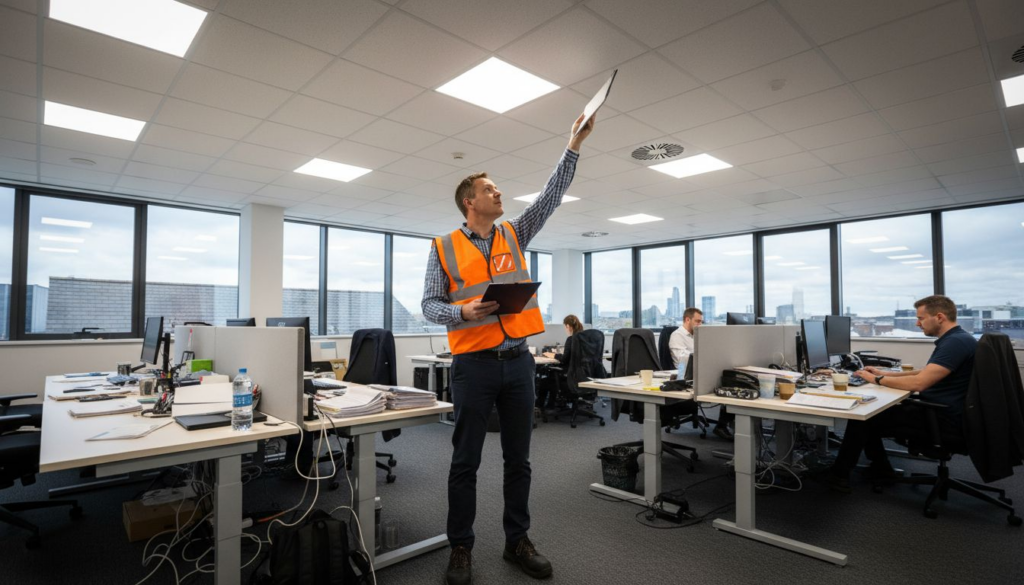
DIY lighting installation might seem tempting, but professional installers protect your investment and your people. Improper LED installation creates safety hazards, code violations, and premature equipment failure that cost far more than professional setup.
Electrical work demands expertise and certification. Your hospitality venue operates with strict safety and building codes that professional installers understand and follow. Cutting corners with unqualified installers exposes your business to liability, insurance complications, and operational disruptions.
Why professional installation matters:
- Qualified installers follow electrical codes and building regulations precisely
- Proper wiring and connections ensure system reliability and longevity
- Professional assessment identifies potential hazards before they become problems
- Installation expertise prevents damage to existing electrical infrastructure
- Certified work maintains your warranty coverage and insurance protection
- Faster, cleaner installation minimises disruption to guest operations
Professional installers bring more than just technical skills. They assess your existing electrical systems, identify compatibility issues, and design lighting layouts that optimise energy efficiency. This consultation prevents costly mistakes before installation begins.
Professional lighting installation standards emphasise the importance of qualified personnel conducting system installation to ensure reliability, safety, and code compliance. Proper installation protects your investment and supports long-term operational success.
Professional installation by qualified technicians safeguards your LED lighting investment, ensures regulatory compliance, and prevents safety hazards that could disrupt operations.
Certified installers possess credentials that matter. Look for professionals trained in LED systems, familiar with your venue type, and experienced with commercial-scale projects. Their expertise translates directly into system reliability and performance.
What professional installation includes:
- Pre-installation assessment of existing electrical capacity and requirements
- Proper circuit design and load calculations for your specific needs
- Safe removal and disposal of old lighting fixtures
- Correct wiring, grounding, and connection to building systems
- Testing and commissioning before handover
- Documentation and warranty registration
- Staff training on new control systems and maintenance
Scheduling installation during low-traffic periods minimises guest disruption. Professional teams work efficiently to complete projects on schedule without compromising quality or safety.
Your facility manager should verify installer credentials, request references from similar venues, and confirm insurance coverage before work begins. This due diligence ensures you’re working with reliable professionals who stand behind their work.
Pro tip: Request that your installer provide detailed documentation of all work completed, including circuit diagrams, fixture specifications, and maintenance schedules, giving your facilities team reference materials for future troubleshooting and upgrades.
6. Consider Environmental Certifications for Enhanced Reputation
Environmental certifications transform your LED lighting investment into a marketing advantage. Third-party validation of your sustainability efforts builds guest confidence and differentiates your venue in a competitive hospitality market.
Modern travellers care about where they spend their money. Guests increasingly choose hotels, restaurants, and venues that demonstrate genuine environmental commitment rather than empty greenwashing claims. Environmental certifications provide proof of your sustainability efforts that resonates with conscious consumers.
How certifications boost your reputation:
- Third-party validation proves your environmental credentials to sceptical customers
- Certifications attract eco-conscious guests willing to pay premium rates
- Green credentials improve your competitive position in saturated markets
- Environmental commitment strengthens employee pride and recruitment
- Sustainability messaging enhances brand value and customer loyalty
- Certifications often unlock access to corporate business and group bookings
LED lighting upgrades qualify for multiple environmental certification programmes. Environmental certification standards validate corporate commitment to sustainability through rigorous third-party assessment. Achieving these certifications demonstrates adherence to strict environmental standards and enhances your competitive reputation significantly.
Consider LEED or WELL certifications for your hospitality venue. These programmes recognise energy-efficient lighting systems as core components of sustainable building operations. Your facility manager can document LED installations as evidence of environmental responsibility when pursuing broader certifications.
Environmental certifications provide third-party validation of your sustainability efforts, building guest trust and creating competitive advantages in the hospitality sector.
Qualified LED products carry additional environmental credentials. Certified LED products meet stringent energy efficiency and quality criteria recognised globally. Selecting certified fittings ensures your investment meets rigorous environmental standards whilst delivering measurable energy savings.
Documentation matters when pursuing certifications. Your supplier should provide technical specifications, energy consumption data, and environmental credentials for each fixture installed. This information becomes essential evidence when applying for third-party certification programmes.
Building your environmental credentials:
- Select LED products from recognised qualified product lists
- Document all sustainability features of your lighting upgrade
- Calculate and track energy savings achieved after installation
- Communicate your environmental efforts transparently to guests and staff
- Pursue formal certifications that validate your green initiatives
- Feature sustainability achievements in marketing materials and booking information
Your venue’s environmental story becomes part of its brand identity. Guests reading about your LED upgrades, energy savings, and sustainability certifications develop stronger connections to your business. This reputation advantage drives bookings and justifies premium pricing.
Pro tip: Before selecting LED fixtures, research which environmental certifications matter most to your target market, then choose products and installation approaches that directly support those certification requirements.
Below is a comprehensive table summarising the energy-efficient lighting strategies and related recommendations discussed throughout the article.
| Strategy | Key Actions and Considerations | Benefits and Outcomes |
|---|---|---|
| Choose Energy-Efficient LED Fittings | Opt for LED lighting systems due to their high efficiency, longevity, and reduced maintenance requirements. | Achieve up to 44% reduction in energy costs while improving safety and guest comfort with LED technology. |
| Assess Lighting Needs | Evaluate the unique requirements of each area within the premises to tailor the lighting solutions accordingly. | Prevent over-illumination, optimise energy use, and enhance functionality and user satisfaction. |
| Utilise Smart Controls | Integrate systems like occupancy sensors and programmable lighting schedules to adjust light usage in real time. | Substantially reduce energy consumption and operational costs while enhancing guest and staff experience through adaptive lighting. |
| Take Advantage of Bulk Purchases | Plan large-scale LED updates to obtain bulk purchasing discounts and ensure consistent lighting quality across facilities. | Achieve significant cost savings through reduced unit prices, streamlined logistics, and standardised equipment specifications. |
| Schedule Professional Installation | Hire licensed professionals for the installation of LED systems to ensure safety, compliance, and optimal operation. | Secure electrical integrity, compliance with regulations, and warranty validity whilst minimising operational disruptions and extending system lifespan. |
| Achieve Environmental Certifications | Implement LED upgrades aligned with obtaining recognised sustainability certifications for your venue. | Increase guest appeal, brand reputation, and access to corporate partnerships by demonstrating a genuine commitment to environmental responsibility. |
Upgrade Your Business Lighting with Expert LED Solutions Today
The article highlights critical challenges many commercial businesses face such as soaring energy costs, inefficient lighting, and the need for tailored solutions like smart controls and professional installation. If you want to transform your venue with energy-efficient, durable LEDs that reduce maintenance hassles and improve guest experience you need a trusted partner who understands these demands fully.
At Ledsupplyandfit.co.uk, we specialise in providing comprehensive LED lighting solutions perfectly suited for hotels, restaurants, gyms, and offices across the UK. Our offerings include everything from bulk discounts on large orders to next-day delivery and expert installation services. Our team works closely with you to assess your premises lighting needs, advise on the best fittings, and optimise performance with advanced control systems — all designed to slash costs and boost sustainability.
Take control of your energy expenses and upgrade your lighting with confidence. Discover how our tailored LED solutions and professional support can make a measurable difference. Visit Ledsupplyandfit.co.uk now to explore our full range of products and get started on your cost-saving journey.
Frequently Asked Questions
How can I choose energy-efficient LED fittings for my business?
Selecting energy-efficient LED fittings requires evaluating your venue’s specific needs. Consider the type of space—guest rooms may need dimmable lights, while kitchens require bright task lighting. Test samples in your actual spaces at different times of day to ensure they provide the desired ambiance and efficiency.
What aspects should I assess when determining lighting needs in my premises?
Assessing your lighting needs involves understanding the functions of different areas in your venue. Identify what activities occur in each space, how they are used daily, and how natural light affects them. Conduct a thorough audit to clarify these requirements, which can lead to reduced energy consumption by tailoring your lighting solutions.
How can smart controls optimise my venue’s lighting performance?
Smart controls adjust lighting based on occupancy and natural light availability, enhancing efficiency. Install occupancy sensors in areas with variable usage, like corridors and kitchens, to ensure lights are only on when needed. This can lead to significant energy savings—often by 20–30%—if implemented throughout your venue.
Why should I consider bulk purchasing for my lighting projects?
Bulk purchasing can significantly reduce costs when outfitting multiple areas or properties. By consolidating orders with a single supplier, you can negotiate better per-unit prices and streamline logistics. Aim to order in large quantities to achieve savings of 15–30% on your LED fittings.
How important is professional installation for LED lighting?
Professional installation is crucial as it ensures compliance with safety and building regulations, preventing potential hazards. Qualified installers provide reliable connectivity, and their expertise helps avoid costly mistakes. Schedule installation during low-traffic periods to minimise disruption and guarantee that the system operates efficiently from the outset.
What role do environmental certifications play in my lighting upgrade?
Environmental certifications validate your commitment to sustainability, enhancing your business’s reputation among eco-conscious consumers. Pursuing certifications can attract guests willing to pay more for environmentally responsible venues. Document your lighting upgrades and track energy savings to support your application for these certifications.