Commercial LED Lighting: Savings And Durability For UK Business
Finding a reliable lighting solution that balances performance with energy savings can feel daunting for British property managers and business owners. As retail and hospitality venues strive to cut costs and meet sustainability targets, LED lighting is proven to use up to 90 percent less electricity than incandescent bulbs. This guide demystifies LED technology, clarifying its functionality and practical advantages for commercial environments needing efficiency, longevity, and quality illumination.
Table of Contents
- Commercial LED Lighting Defined And Debunked
- Types Of Commercial LED Lighting Systems
- How LED Technology Delivers Efficiency
- Applications For Different Commercial Settings
- Cost Savings, Longevity, And Environmental Impact
- Comparing LED To Traditional Lighting Options
Key Takeaways
| Point | Details |
|---|---|
| Energy Efficiency | LEDs consume 80-90% less energy than traditional lighting, significantly reducing operational costs. |
| Longevity and Maintenance | With lifespans of 25,000 to 50,000 hours, LEDs require less frequent replacement and lower maintenance. |
| Environmental Impact | LED lighting generates less waste and emits fewer greenhouse gases, supporting sustainable business practices. |
| Customisation and Control | Smart LED systems enable precise control over lighting conditions, enhancing both efficiency and user experience. |
Commercial LED Lighting Defined And Debunked
Commercial LED lighting represents an advanced technological solution transforming how UK businesses illuminate their workspaces, retail environments, and industrial facilities. Light emitting diodes (LEDs) are semiconductor devices that generate light through an electrical current passing through a microchip, producing illumination dramatically more efficiently than traditional lighting technologies.
Understanding LED technology requires recognising its core characteristics. Advanced lighting technologies demonstrate remarkable energy conversion capabilities, with LEDs producing light up to 90% more efficiently than conventional incandescent bulbs. This extraordinary efficiency stems from their unique operational mechanism:
- Electrical current passes through a microchip
- Light is generated directly without excessive heat production
- Integrated heat sinks manage thermal management
- Gradual lumen depreciation instead of sudden failure
The fundamental difference between LEDs and traditional lighting lies in their energy conversion process. While incandescent bulbs generate significant heat and consume substantial electricity, LEDs transform electrical energy into light with minimal waste. Phosphor conversion allows these diodes to produce high-quality white light, making them versatile for commercial applications ranging from office lighting to industrial warehouse illumination.
LED technology’s longevity represents another significant advantage for businesses. Unlike traditional bulbs that suddenly burn out, LEDs experience gradual light reduction, often maintaining functional illumination for tens of thousands of operational hours. This characteristic translates directly into reduced maintenance costs and consistent lighting performance across commercial environments.
Pro tip: When evaluating LED lighting solutions, prioritise total lifetime cost over initial purchase price, considering energy savings, reduced maintenance, and extended operational duration.
Types Of Commercial LED Lighting Systems
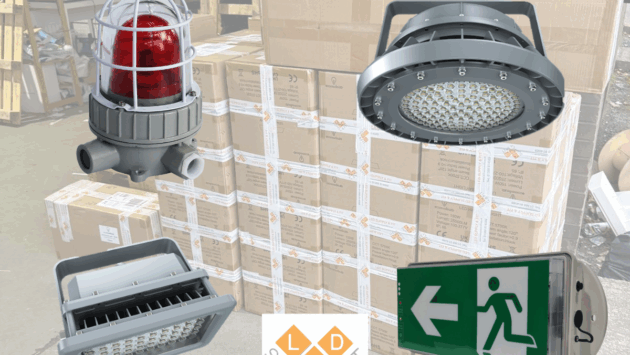
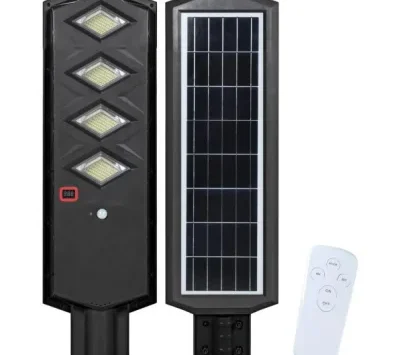
Commercial LED lighting systems have evolved dramatically, offering UK businesses an unprecedented range of illumination solutions tailored to specific operational requirements. LED product variations encompass multiple categories designed to address diverse commercial environments, from retail spaces to industrial facilities.
The primary categories of commercial LED lighting systems include:
- Retrofit Bulbs: Direct replacements for traditional lighting fixtures
- Integrated LED Fixtures: Complete lighting units with built-in LED technology
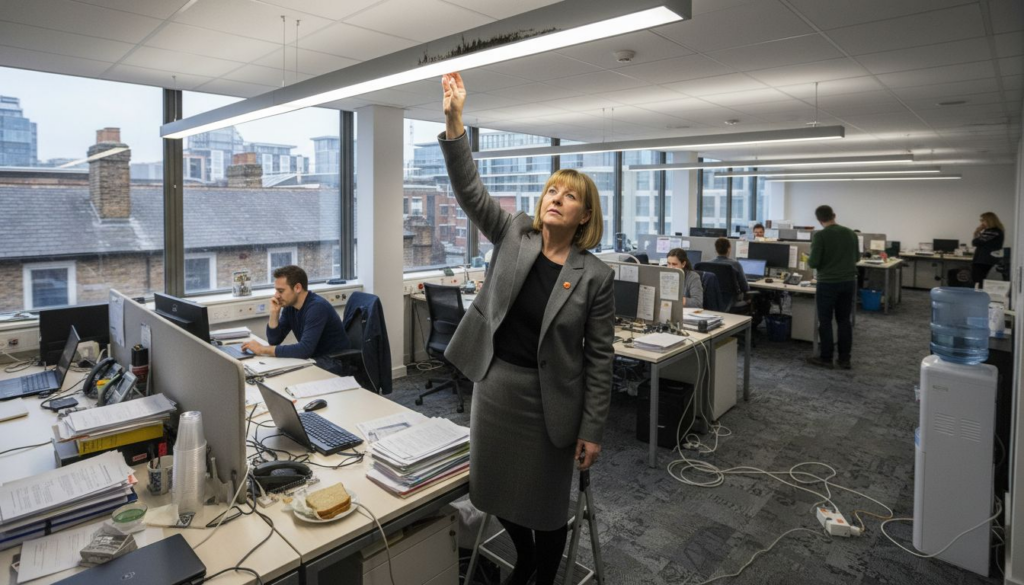
- Panel Lights: Sleek, uniform illumination for office and commercial spaces
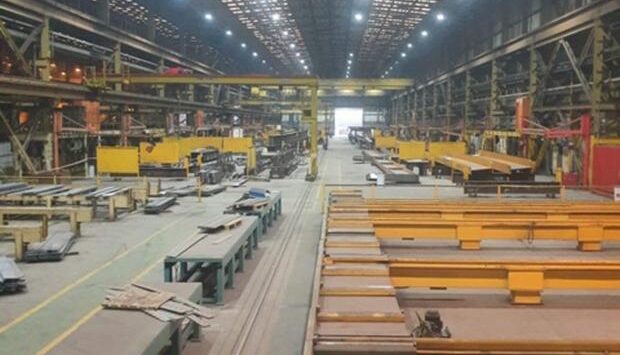
- High Bay Lights: Powerful overhead lighting for warehouses and industrial settings
- Tube Lights: Linear lighting solutions for workshops and large interior spaces
- Track Lighting: Flexible illumination systems for retail and exhibition environments
Each lighting system offers unique advantages tailored to specific commercial requirements. Retrofit bulbs, for instance, provide an economical transition strategy, allowing businesses to upgrade existing fixtures without complete replacement. Integrated LED fixtures, conversely, deliver comprehensive lighting solutions with superior energy efficiency and design flexibility.
Modern commercial LED systems go beyond simple illumination, incorporating smart technologies that enable precise control, energy monitoring, and adaptive lighting scenarios. These advanced systems can automatically adjust brightness, colour temperature, and distribution based on environmental conditions, occupancy levels, and time of day, delivering unprecedented operational efficiency for UK businesses.
Pro tip: When selecting commercial LED lighting, prioritise systems that offer scalability, energy efficiency, and compatibility with your existing infrastructure.
Here is a quick reference on the main commercial LED system types and ideal use cases:
| LED System Type | Best Suited For | Key Benefit |
|---|---|---|
| Retrofit Bulbs | Legacy fixture upgrades | Cost-effective conversion |
| Integrated Fixtures | New installations | Maximum energy efficiency |
| Panel Lights | Open-plan offices and halls | Uniform, glare-free light |
| High Bay Lights | Warehouses and factories | Illumination of large areas |
| Track Lighting | Retail and exhibitions | Flexible display highlighting |
How LED Technology Delivers Efficiency
LED technology represents a revolutionary approach to energy efficiency, transforming how UK businesses illuminate their commercial spaces. Energy-efficient lighting solutions convert electricity directly into light with remarkable precision, minimising energy waste and reducing operational costs for commercial enterprises.
The efficiency of LED technology is demonstrated through multiple key performance characteristics:
- Direct electricity-to-light conversion
- Minimal heat generation
- Up to 90% reduced electricity consumption
- Targeted, directional light emission
- Extended operational lifespan
- Reduced cooling requirements in commercial spaces
Unlike traditional lighting technologies that dissipate significant energy as heat, LED systems are engineered to maximise light output while minimising electrical input. Thermal management plays a crucial role in this efficiency, with advanced heat sink designs ensuring optimal performance and preventing energy loss through unnecessary heat radiation.

Commercial environments benefit from LED technology’s sophisticated light distribution capabilities. These systems can be precisely configured to illuminate specific work areas, reducing overall energy consumption by focusing light exactly where it is needed. Smart LED technologies further enhance efficiency by incorporating sensors and adaptive lighting controls that automatically adjust brightness and energy usage based on occupancy and ambient light conditions.
Pro tip: Conduct a comprehensive energy audit to identify precise LED lighting configurations that match your specific commercial space requirements and maximise potential energy savings.
Applications For Different Commercial Settings
LED lighting technologies offer unprecedented versatility across diverse commercial environments, transforming how businesses approach illumination. Commercial lighting applications extend far beyond simple illumination, addressing critical factors like workplace productivity, energy efficiency, and environmental performance.
Different commercial settings demand unique lighting strategies:
-
Retail Spaces:
- Accent lighting for product displays
- Colour-tunable options for mood enhancement
- High colour rendering index for accurate product representation
-
Office Environments:
- Glare-free task lighting
- Circadian rhythm-supporting illumination
- Adaptable brightness levels
-
Industrial Facilities:
- High-durability fixtures
- Wide-beam illumination for large spaces
- Resistance to harsh environmental conditions
-
Healthcare Settings:
- Precise colour temperature control
- Low-heat emission
- Infection-resistant materials
The spectral performance of LED lighting enables unprecedented customisation across these environments. Healthcare facilities, for example, can utilise specific light spectrums that support patient recovery and staff concentration, while retail spaces can leverage colour-tunable technologies to create compelling visual merchandising experiences.
Intelligent LED systems integrate sensors and adaptive controls, transforming lighting from a passive infrastructure element into an active management tool. These sophisticated systems can automatically adjust illumination based on occupancy, time of day, and specific task requirements, delivering both energy savings and enhanced user experience across various commercial contexts.
Pro tip: Conduct a comprehensive lighting audit that considers not just energy efficiency, but also the specific psychological and functional lighting requirements of your unique commercial environment.
The following table illustrates how different commercial sectors benefit strategically from LED lighting adoption:
| Sector | Unique LED Advantage | Typical Business Outcome |
|---|---|---|
| Retail | Enhanced product display | Increased sales and brand image |
| Offices | Customisable brightness | Improved productivity |
| Industrial Facilities | Robust, wide-beam lights | Safer, more efficient workspaces |
| Healthcare | Precise colour rendering | Better patient care environment |
Cost Savings, Longevity, And Environmental Impact
Commercial LED lighting represents a strategic investment that delivers substantial financial and environmental benefits for UK businesses. LED lighting performance demonstrates remarkable cost-effectiveness through dramatically reduced energy consumption and extended operational lifespans.
The key financial advantages of LED lighting include:
- Reduced energy expenditure
- Minimal maintenance requirements
- Extended equipment lifecycle
- Lower replacement frequency
- Significant long-term cost reductions
- Enhanced operational efficiency
LED technologies typically offer operational lifespans ranging from 25,000 to 50,000 hours, substantially outperforming traditional lighting systems. This extraordinary longevity translates directly into reduced maintenance costs, fewer interruptions to business operations, and significantly lower total cost of ownership for commercial enterprises.
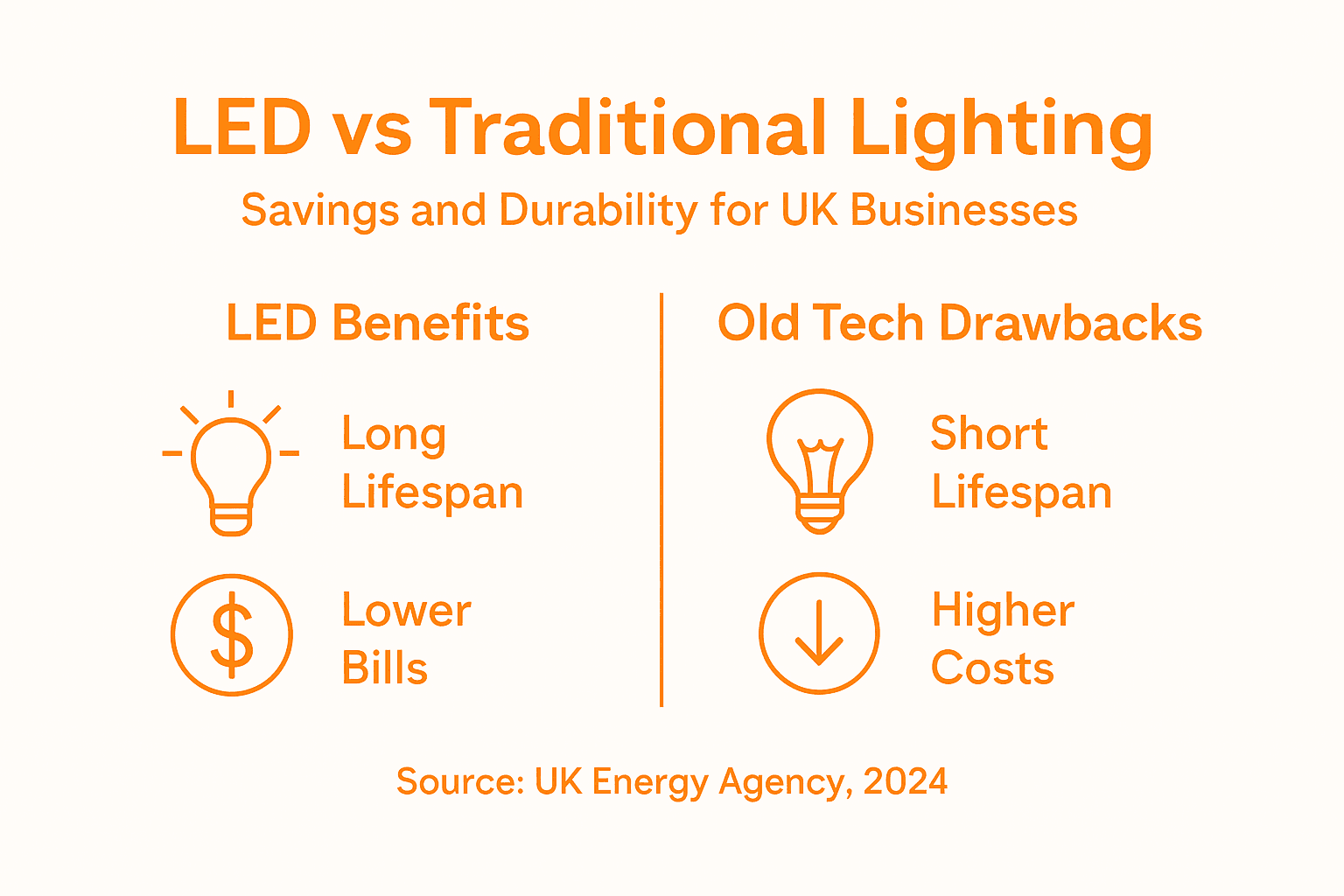
Environmentally, LED lighting represents a crucial strategy for businesses committed to sustainable practices. These lighting systems generate substantially lower greenhouse gas emissions, contain no hazardous materials like mercury, and consume considerably less electrical energy compared to conventional lighting technologies. By adopting LED solutions, businesses can simultaneously reduce their carbon footprint and demonstrate meaningful corporate environmental responsibility.
Pro tip: Calculate your potential LED lighting savings by comparing current energy consumption rates with projected LED system performance, considering both immediate and long-term financial impacts.
Comparing LED To Traditional Lighting Options
LED lighting represents a transformative technology that fundamentally challenges traditional illumination methods used by UK businesses. Commercial lighting technologies demonstrate clear performance advantages across multiple critical parameters, making them increasingly attractive for commercial environments.
Key comparative differences between LED and traditional lighting technologies include:
-
Energy Efficiency:
- LEDs: 80-90% lower energy consumption
- Incandescent: Significant heat waste
- Fluorescent: Higher energy requirements
-
Operational Lifespan:
- LEDs: 25,000-50,000 hours
- Incandescent: 1,000-2,000 hours
- Fluorescent: 7,000-15,000 hours
-
Environmental Impact:
- LEDs: Minimal UV radiation
- No mercury content
- Lower carbon emissions
- Reduced waste generation
The fundamental distinction lies in how these technologies convert electrical energy into light. Traditional lighting methods like incandescent and fluorescent bulbs generate significant heat while producing illumination, effectively wasting substantial electrical energy. LED systems, by contrast, are engineered to convert electricity directly into light with minimal thermal loss, resulting in dramatically improved energy efficiency.
Modern LED technologies also offer superior light quality and directional control, enabling businesses to create precisely tailored illumination environments. Unlike traditional omnidirectional lighting that disperses light inefficiently, LEDs can be precisely configured to illuminate specific areas, reducing wasted light and improving overall spatial functionality.
Pro tip: Conduct a comprehensive lighting audit comparing your current traditional lighting system’s total operational costs against potential LED replacements, considering energy consumption, maintenance expenses, and replacement frequency.
Unlock Lasting Savings With Expert Commercial LED Lighting Solutions
The article highlights the challenge UK businesses face in balancing energy efficiency, longevity, and environmental impact when upgrading to commercial LED lighting. Key pain points include managing total lifetime costs, ensuring durable performance across varied settings such as offices, warehouses, and retail spaces, and achieving measurable energy savings without compromising light quality. At Ledsupplyandfit.co.uk, we understand these concerns and specialise in supplying high-quality LED lighting that meets those exact demands. Our solutions offer enhanced durability, remarkable energy savings, and professional installation support tailored to your commercial environment.
Transform your business premises today by choosing LED products engineered for longevity and reduced maintenance. Take advantage of bulk purchase discounts and next-day delivery options available at Ledsupplyandfit.co.uk. Explore our comprehensive range and expert fitting services to experience the benefits of commercial LED lighting firsthand. Start your energy-saving journey now by visiting our landing page and see why so many UK businesses trust us for their lighting upgrades.
Frequently Asked Questions
What are the main advantages of using commercial LED lighting?
Commercial LED lighting offers significant advantages, including up to 90% greater energy efficiency compared to traditional lighting, reduced maintenance costs due to their long lifespan, and minimal heat production, which contributes to a more comfortable working environment.
How do LED lights compare to traditional incandescent bulbs?
LED lights consume 80-90% less energy than incandescent bulbs and last 25,000 to 50,000 hours, compared to 1,000 to 2,000 hours for incandescent. This means LEDs not only reduce energy costs but also require less frequent replacement.
What types of commercial settings benefit most from LED lighting?
LED lighting is versatile and benefits various environments including retail spaces, office environments, industrial facilities, and healthcare settings, offering tailored solutions such as accent lighting in retail or glare-free task lighting in offices.
How can businesses calculate potential savings from switching to LED lighting?
Businesses can calculate potential savings by comparing current energy consumption rates and maintenance costs of their existing lighting with projected performance and savings from LED systems, taking into account both immediate and long-term financial impacts.