The role of lighting in gym design
TL;DR:
- Proper gym lighting influences members’ feelings, motivation, and fatigue levels, making spaces more inviting.
- Using zone-specific, adjustable LED systems with natural light integration enhances safety, ambiance, and energy efficiency.
- Thoughtful lighting design is a significant factor in gym success and long-term member retention.
Most gym owners spend months agonising over equipment, flooring, and layout, then treat lighting as an afterthought. That instinct is costly. The role of lighting in gym design goes far beyond visibility. It shapes how members feel the moment they walk in, whether they push harder during a session, and how quickly they fatigue. Get it wrong and even a beautifully kitted-out facility feels flat and uninviting. Get it right and your gym becomes somewhere people genuinely want to return to.
Gym lighting design: zones, types, and contrast
Not every corner of your gym needs the same treatment. A well-considered gym lighting design starts by mapping the space into functional zones and then working out what each one actually requires.
Strength and free weights areas need bright, high-contrast lighting that makes it easy to check form in mirrors, spot hazards underfoot, and stay alert during heavy lifts. Think cool white light in the 4,000K to 6,500K colour temperature range. Cardio zones benefit from similar brightness, though slightly warmer tones around 4,000K can reduce eye strain during longer sessions. Recovery and stretching areas are a different story entirely. These spaces respond well to softer, warmer light (2,700K to 3,000K) that signals to the body it is time to wind down. Reception and social areas call for layered lighting, combining ambient overhead fixtures with accent lighting to create a welcoming atmosphere rather than the sterile feel of a hospital corridor.
The four core lighting types you will work with are:
- Ambient lighting: The primary source of general illumination throughout the space
- Task lighting: Targeted light focused on specific activity areas or equipment
- Accent lighting: Decorative and directional light used to highlight architectural features or create atmosphere
- Decorative lighting: Fixtures that serve as visual focal points and reinforce brand identity
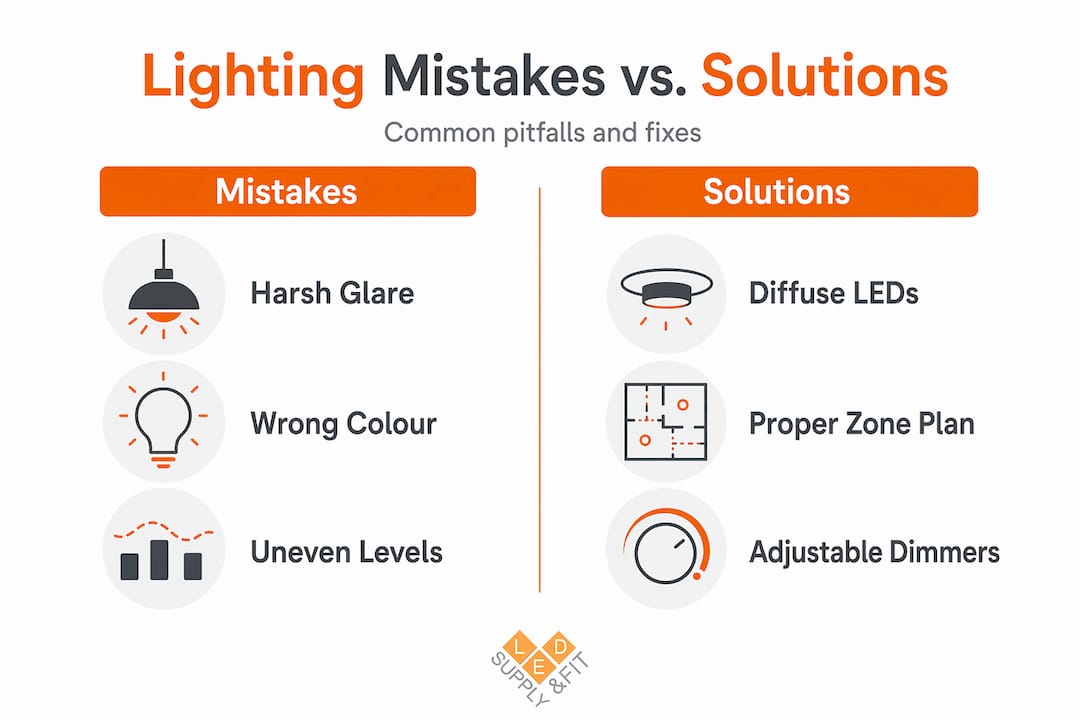
Inappropriate colour temperatures and poorly calibrated brightness cause glare, eye strain, and lower motivation, which translates directly into members cutting sessions short or not returning.
Pro Tip: Install dimmer controls across your zone circuits from day one. The ability to shift lighting levels throughout the day, matching morning energy with brighter output and evening recovery with softer tones, costs little at installation but pays back in member experience continuously.
How lighting shapes motivation and performance
The impact of light on fitness is physiological, not just aesthetic. Light directly influences your members’ circadian rhythms, which in turn affects alertness, reaction time, and how much effort they can sustain. Indoor light often falls short of the 250 melanopic equivalent daylight illuminance recommended for meaningful circadian stimulation. That gap matters most for early morning gym-goers who arrive before natural daylight has done its job.
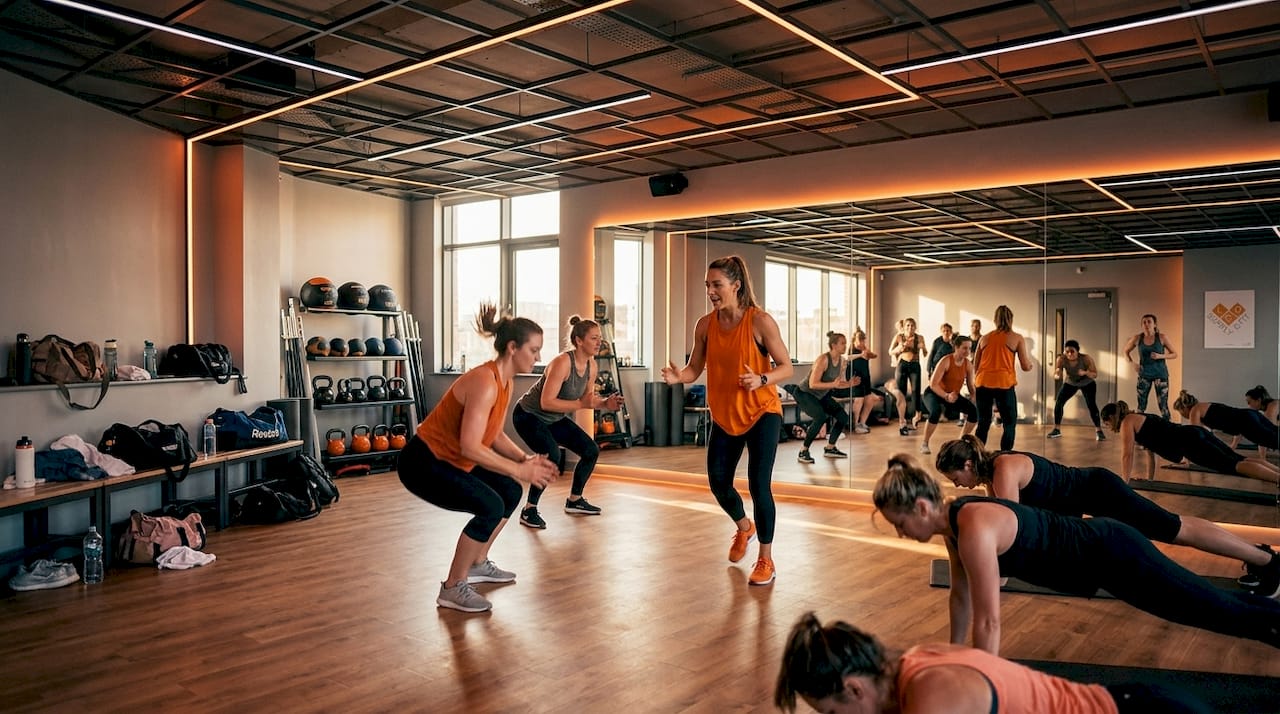
Evidence consistently links lighting to psychological states during exercise, with brighter, cooler light correlating to higher arousal and effort output. Warmer, dimmer environments tend to reduce perceived exertion, which works beautifully in yoga and recovery zones but actively works against you in a high-intensity training area.
Modern gym design is moving decisively towards biophilic principles. Studios like Solis Movement use skylights and layered daylighting to create environments that feel closer to the outdoors, reducing the intimidation factor and improving overall wellbeing. That is not just a design trend. It reflects how the human nervous system responds to natural light cues.
“Lighting in gyms is evolving from purely functional into an experience-led design element, balancing wellness, aesthetics, and energy efficiency.”
Consider also that daylight saves you money. Where skylights or clerestory windows are feasible, combining them with occupancy-sensitive LED controls means your artificial lighting only supplements what nature provides. For members, the benefit is tangible: natural light exposure during a workout session noticeably reduces reported fatigue.
Modern lighting technologies for fitness facilities
The gap between traditional fluorescent or metal halide systems and today’s LED alternatives is substantial. Here is a direct comparison that gym owners should keep in hand when planning upgrades or new builds:
| Feature | Traditional lighting | LED systems |
|---|---|---|
| Energy consumption | High (baseline) | Up to 70% lower |
| Lifespan | 10,000–20,000 hours | 50,000+ hours (L70 rated) |
| Dimming capability | Limited or unavailable | Full range, smooth control |
| Maintenance frequency | High | Near zero over five years |
| Colour temperature range | Fixed | Fully adjustable |
| Smart sensor compatibility | Rare | Standard in modern arrays |
Beyond efficiency, smart LED systems with occupancy sensors and ambient light detection can cut energy usage by up to 50% in commercial fitness facilities. Sensors detect when a studio or changeroom is empty and reduce output automatically, without any manual input from staff.
Therapeutic lighting is a separate but growing category worth understanding. Red and near-infrared light therapy is becoming a standard offering in premium gyms, particularly those with recovery suites or physiotherapy partnerships. Surface repair benefits from 630 to 660nm wavelengths while deeper muscle and joint recovery requires the 810 to 850nm near-infrared range. One critical caveat: overexposure can inhibit results, so calibrated devices and usage protocols matter more than raw intensity. This is not something to improvise.
Pro Tip: When specifying LEDs for high-use training areas, opt for a colour rendering index (CRI) of 90 or above. Members notice the difference in how equipment and their own skin tone look under the lights, even if they cannot name the reason. High CRI creates confidence in the space.
Practical strategies for your gym lighting scheme
Translating principles into a working scheme requires a structured approach. Here are the steps that produce consistently strong results:
-
Map your zones before specifying any fixtures. Identify every distinct activity area and its purpose. Write down the mood, intensity, and colour temperature target for each one before you look at a single product.
-
Prioritise glare elimination. Depth perception and hazard identification are compromised by glare and dark spots. Use diffused or indirect fixtures in areas where members look upward, such as bench press and floor stretching zones.
-
Incorporate daylight wherever structurally possible. Even a single well-placed rooflight dramatically shifts the atmosphere of a training space and offsets artificial lighting costs over the year.
-
Build in routine maintenance schedules. LED systems are low maintenance but not zero maintenance. A bi-annual review of lumen output and fixture alignment keeps your energy savings on track and prevents gradual lux level decline that members feel before you notice it on paper.
-
Think about the member journey. The lighting experience from car park to reception to gym floor to changing room should feel intentional. Jarring transitions between harshly lit corridors and warm studios break the atmosphere you have worked to create.
My perspective on lighting and gym success
I have reviewed enough gym fit-outs to say clearly: lighting is where the biggest missed opportunities live. Operators will spend £50,000 on equipment and balk at spending £8,000 on a properly zoned LED scheme. The irony is that members experience the lighting every second they are in the building and only interact with any given piece of equipment for a fraction of that time.
What I have learned from working on commercial fitness spaces is that the gyms retaining members longest are almost always the ones that feel good to be in, not just the ones with the best kit. Thoughtful lighting is a large part of what creates that feeling. It is not something members consciously articulate, but remove it and they feel the difference immediately.
The future points squarely towards human-centric lighting systems that shift dynamically through the day, matching natural light cycles. For gym owners investing now, specifying LED systems with tunable white capability costs marginally more upfront and positions you years ahead of competitors who will eventually retrofit at far greater expense.
— John
Transform your gym with Ledsupplyandfit
If you are planning a new gym build or upgrading an existing facility, lighting decisions made early save significant cost and disruption later. Ledsupplyandfit supplies and installs LED lighting solutions across the UK, specifically tailored for commercial fitness environments.

From zoned training floor schemes to smart sensor systems and therapeutic lighting integration, the Ledsupplyandfit team works with gym owners and designers to specify the right product for every area. Explore the best commercial LED options for fitness facilities, or review how lighting design affects cost and compliance before your next project gets underway.
FAQ
What is the best colour temperature for gym lighting?
Training areas work best with cool white light between 4,000K and 6,500K to promote alertness and energy. Recovery and stretching zones benefit from warmer tones around 2,700K to 3,000K to help members wind down.
How does lighting affect gym member retention?
Lighting directly shapes how comfortable and motivated members feel in your facility. Poor lighting causes eye strain and fatigue, while well-designed schemes create an environment people want to return to regularly.
Are LED lights worth the investment for a gym?
LED systems reduce energy consumption by up to 70% compared with traditional lighting and last over 50,000 hours, making them the most cost-effective long-term choice for any commercial fitness facility.
What is red light therapy and should gyms offer it?
Red light therapy uses specific wavelengths (630 to 660nm for surface repair, 810 to 850nm for deep tissue) to support muscle recovery. It is an increasingly popular premium offering in recovery-focused gym spaces.
How do smart lighting systems benefit gyms?
Smart LED arrays with occupancy sensors can reduce energy usage by up to 50% by automatically adjusting output based on room activity, cutting operational costs without requiring manual oversight.