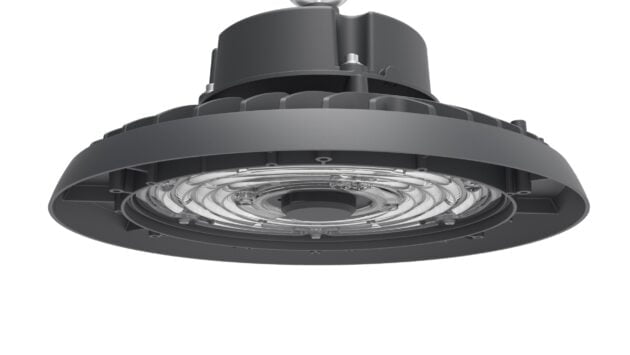

LED installation best practices for safer, efficient workplaces
TL;DR:
- Proper site assessment ensures lighting meets regulatory standards and functional needs.
- Choosing fixtures with correct specifications prevents glare, ensures compliance, and enhances durability.
- Professional installation and ongoing maintenance guarantee safety, compliance, and long-term cost savings.
Getting LED installation wrong in a commercial setting is not just an inconvenience. It can mean failed inspections, voided insurance, and energy bills that stay stubbornly high despite the switch. A standards-driven approach, from site assessment through to ongoing maintenance, is what separates businesses that genuinely cut costs from those that simply swap bulbs and hope for the best. This guide walks you through each critical stage so your next LED project delivers real, measurable results.
Key Takeaways
| Point | Details |
|---|---|
| Start with a site assessment | Evaluating current lighting and compliance needs is essential before any LED installation. |
| Match fixtures to function | Choose the right LED products for each area to optimise both safety and savings. |
| Follow UK regulations | All installations in commercial settings must comply with BS 7671 and involve qualified professionals. |
| Plan for maintenance | Ongoing checks and periodic upgrades keep lighting energy-efficient and safe. |
Assess site lighting needs and regulatory requirements
Before a single fixture is ordered, you need a clear picture of what your building actually requires. Upgrading commercial lighting without this groundwork is like refitting a kitchen without measuring the space first. A proper site assessment tells you where light is lacking, where it is excessive, and which zones carry specific legal obligations.
The key standard to work against is BS EN 12464-1, which sets out maintained illuminance (lux) levels for indoor workplaces. The HSE lighting requirements also provide clear guidance on how lighting affects health, safety, and productivity. Together, these form the baseline for any compliant commercial installation.
| Zone | Recommended lux level |
|---|---|
| General office | 500 lux |
| Warehouse storage | 100 lux |
| Warehouse picking | 300 lux |
| Corridors and stairwells | 100 lux |
| Retail sales floor | 300–500 lux |
| Cold storage areas | 200 lux |
During your assessment, cover the following:
- Measure existing lux levels across all functional zones
- Map emergency exit routes and high-dependency areas
- Identify cold storage, plant rooms, or hazardous zones needing specialist fittings
- Note ceiling heights, reflective surfaces, and natural light sources
- Record current energy consumption per circuit
A thorough site assessment evaluates current lux levels, zone functions, and compliance with BS EN 12464-1 and HSE standards before any LED installation begins.
Pro Tip: Emergency exits and cold storage areas are the zones most commonly overlooked in initial assessments. Flag them early and treat them as non-negotiable priorities in your specification.
Choose the right LED fixtures for each space
Once your assessment is complete, the LED selection process becomes far more straightforward because you are matching products to confirmed requirements rather than guessing. Not all LED fixtures are interchangeable, and the wrong choice can create glare, compliance gaps, or premature failure.
Four technical specifications matter most for commercial spaces:
- UGR (Unified Glare Rating): Offices require UGR below 19 to protect against eye strain and maintain productivity
- CRI (Colour Rendering Index): Retail and food service spaces need a CRI of 80 or above for accurate colour representation
- IP rating (Ingress Protection): Wet rooms, car parks, and external areas need at least IP65; cold stores may require IP66 or higher
- Emergency lighting compliance: Fixtures in escape routes must meet BS 5266 requirements for duration and maintained illuminance
| Zone | Recommended fixture | Key spec |
|---|---|---|
| Open-plan office | Recessed LED panel | UGR<19, 4000K |
| Warehouse (high bay) | LED high-bay fitting | IP65, wide beam |
| Cold storage | Low-temperature LED | IP66, rated to minus 25°C |
| External/car park | LED bulkhead or floodlight | IP65, motion sensor option |
| Retail floor | LED track or spotlight | CRI 90+, dimmable |
Always cross-reference manufacturer datasheets against your site specification. A fixture that looks right on paper may distribute light unevenly in practice. For choosing LED fixtures correctly, high ceilings need high-bay LEDs, cold storage requires low-temperature fittings, and emergency lighting per BS 5266 must be verified at the specification stage, not retrofitted as an afterthought.

Also consider the energy-efficient lighting guide when assessing colour temperature. Cooler whites (4000K to 6500K) suit task-heavy environments; warmer tones work better in hospitality or retail settings where ambience matters.
Ensure compliance with UK wiring and installation regulations
Selecting the right fixtures counts for nothing if the installation itself falls outside legal requirements. All commercial LED installs in the UK must comply with BS 7671, the IET Wiring Regulations. The Amendment 4 (2026) update to BS 7671 introduced further requirements around driver compatibility, dimmer controls, and post-installation verification.
Follow this compliance checklist for every installation:
- Appoint a qualified electrician registered with a competent person scheme (NICEIC or NAPIT)
- Confirm LED drivers and dimmers are compatible with the chosen fixtures
- Isolate circuits correctly before any work begins
- Install to manufacturer specifications and wiring diagrams
- Carry out insulation resistance and continuity testing post-install
- Issue an Electrical Installation Certificate (EIC) or Minor Works Certificate
- Log all work in the site’s electrical installation record
The BS 7671 regulations are explicit: qualified electricians, compatible drivers and dimmers, and post-install testing and certification are all mandatory for compliant LED lighting installations.
“Electrical installation work must be carried out by a competent person and must not give rise to danger. Post-installation inspection and testing is essential to verify compliance.”
For practical guidance on keeping costs down without cutting corners, the LED lighting installation tips on our site cover common pitfalls and how to avoid them.
Pro Tip: Store all EICs, test results, and maintenance logs in a single accessible folder. Insurers and HSE inspectors will ask for them, and having them ready saves time and demonstrates professionalism.
Optimise operation, maintenance, and continuous improvement
Installation day is not the finish line. The businesses that see the biggest returns from LED upgrades are those that treat maintenance as an ongoing programme rather than an occasional chore. Lighting systems degrade over time, and without regular checks, lux levels can drop below legal minimums without anyone noticing.
Build these routines into your facilities management schedule:
- Clean luminaires every six months to remove dust and maintain output
- Replace any failed or flickering lamps within 48 hours
- Test emergency lighting monthly (brief function test) and annually (full duration test)
- Log all tests, replacements, and faults in a maintenance register
- Review energy consumption quarterly and compare against baseline figures
- Gather occupant feedback annually to identify problem areas
Proper LED upgrades can reduce lighting energy costs by up to 80%, but only when the system is maintained correctly and operating as designed. That figure erodes quickly if drivers are failing, lenses are dirty, or sensors are miscalibrated.
Monitoring goes beyond energy bills. Track lux levels with a simple meter twice a year and compare readings to your original assessment data. If levels have dropped significantly, it may indicate lamp degradation or a driver issue rather than a fault you can see.
The consensus among professionals is clear: professional installation combined with standards compliance delivers safety and efficiency that DIY approaches simply cannot match. For a full breakdown of ongoing savings, the cost-saving lighting tips and energy savings with LED resources are worth bookmarking.
Why professional standards matter more than ever
There is a persistent belief in some quarters that LED installation is simple enough to manage in-house. The technology looks straightforward, the products are widely available, and the upfront saving on labour seems attractive. But this view underestimates how much the regulatory landscape has shifted.
The 2026 amendment to BS 7671 is not a minor update. It reflects the growing complexity of LED driver compatibility, smart controls, and emergency system integration. An installation that was acceptable three years ago may now fall short. Insurance providers are increasingly scrutinising electrical compliance records, and a non-compliant install can invalidate a claim at the worst possible moment.
From our experience working with commercial clients, the businesses that invest in energy-efficient lighting expertise from the outset recover that cost many times over. Fewer callbacks, no remedial work, and a documented compliance trail that protects the business long after installation day.
Let experts handle your LED upgrade for enduring value
If this guide has highlighted gaps in your current approach, the good news is that expert support is closer than you think.

At Ledsupplyandfit.co.uk, we handle everything from initial energy audit and lighting design through to compliant installation and ongoing support. Our team works with commercial property managers and business owners across the UK to deliver lighting design and compliance solutions that are built to last. Whether you manage a single retail unit or a multi-site portfolio, explore our LED cost-saving tips or get in touch to start your upgrade today.
Frequently asked questions
What are typical recommended lux levels for UK commercial facilities?
For offices, 500 lux is standard; warehouse storage needs 100 lux, and picking zones require 300 lux. These figures are set out in BS EN 12464-1 and form the baseline for any compliant site assessment.
Is professional installation of LEDs compulsory?
Yes. In the UK, all commercial LED installs must be carried out by qualified electricians and comply with BS 7671 regulations, with post-installation certification issued as evidence of compliance.
What’s the risk of DIY commercial LED installation?
DIY installs risk non-compliance and system failures and can void your business insurance entirely. Always use trained, registered professionals for any commercial electrical work.
How can I ensure emergency lighting is compliant?
Check that installations follow BS 5266, with dedicated emergency fixtures tested regularly and appropriate IP ratings confirmed at the specification stage. Monthly function tests and annual full-duration tests are both required.