Eco-friendly LED lighting methods: cut costs by 80%
Many UK businesses struggle with outdated lighting that drains profits and harms the environment. Upgrading to energy-efficient LED systems offers a practical solution, yet poor planning often leads to wasted investment and missed savings. This guide walks you through implementing environmentally friendly LED lighting methods that reduce costs and carbon footprint while avoiding common pitfalls that undermine commercial lighting projects.
Key takeaways
| Point | Details |
|---|---|
| Energy reduction | LED lighting cuts energy use by up to 80% compared to traditional systems. |
| Installation speed | Professional LED installations typically complete within 1 to 3 days for most commercial properties. |
| Smart controls | Intelligent lighting systems can deliver an additional 20-30% energy savings beyond standard LEDs. |
| Compliance matters | Proper planning ensures adherence to UK safety standards and prevents costly retrofitting. |
| Audit necessity | Professional lighting audits prevent fixture mismatches and eliminate wasted energy from day one. |
Prerequisites and preparation before LED installation
Before you switch on your first LED fixture, thorough preparation determines whether your upgrade delivers promised savings or becomes an expensive lesson. Understanding your current setup and future needs prevents the costly mistakes that plague rushed projects.
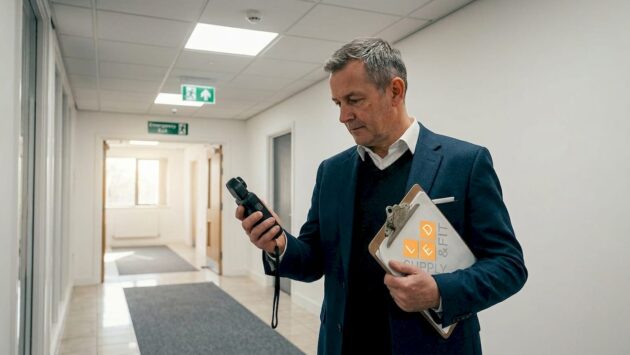
Start with a professional lighting audit to assess current conditions. This evaluation reveals energy waste, identifies compliance gaps, and maps optimal fixture placement. You need to understand your electrical infrastructure before purchasing equipment. Older buildings may require circuit upgrades or panel modifications to handle modern LED systems safely.
Evaluate lighting requirements based on how each space functions. Warehouses demand different light levels than office environments. Restaurants need colour temperatures that enhance food presentation. The LED lighting selection process for commercial properties considers these variables systematically.
Budget allocation requires precision. Factor in these essential costs:
- LED fixture purchase including delivery and storage
- Professional installation labour and project management
- Potential electrical infrastructure upgrades
- Testing equipment and commissioning procedures
- Emergency lighting compliance where required
Safety regulations cannot be afterthoughts. Hazardous zones in facilities like fuel storage areas or chemical plants require ATEX-rated lighting designed for explosive atmospheres. Standard LED fixtures in these locations create serious safety violations and insurance complications.
Pro tip: Schedule your lighting audit during typical operating hours so assessors observe actual usage patterns and identify opportunities that desk-based reviews miss entirely.
Step-by-step LED lighting installation process
Executing your LED upgrade methodically prevents disruption and ensures you capture every efficiency gain. Commercial installations follow a structured approach that balances technical requirements with operational continuity.
Begin with a detailed lighting audit to document current energy consumption and fixture locations. This baseline measurement proves essential when calculating actual savings months later. Your audit should identify problem areas where lighting fails to meet current standards.
Develop a comprehensive lighting layout that eliminates over-illumination and dark spots. Poor planning wastes energy by installing excessive fixtures or creates safety hazards through inadequate coverage. Work with lighting designers who understand how to upgrade commercial lighting for cost savings without compromising quality.
Select compatible LED fixtures and controls meeting UK safety standards. Consider these factors:
- Colour temperature appropriate for each space function
- Lumen output matching required illumination levels
- Fixture housing suitable for mounting locations
- Control compatibility if integrating smart systems
- Warranty coverage and expected maintenance needs
Procurement timing matters. Order fixtures well before installation dates to avoid project delays. Verify all products arrive undamaged and match specifications before contractors start work.
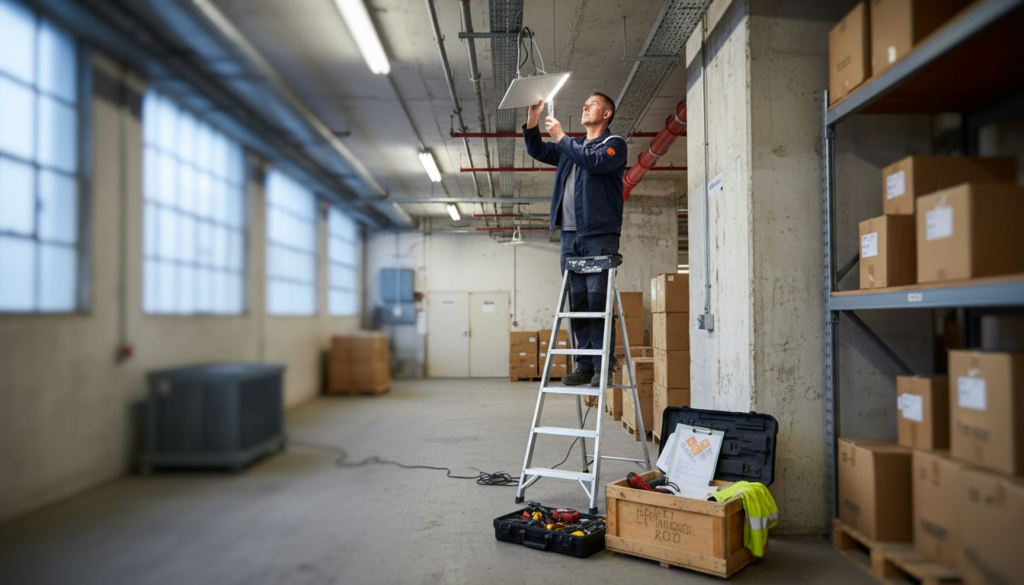
Schedule installation during low-activity periods to minimise business disruption. Most commercial properties complete upgrades within 1 to 3 days. Phased approaches let you maintain operations in some areas while others undergo transformation.
Post-installation testing verifies every circuit functions correctly and delivers expected light levels. Commission any control systems and train staff on new features. Document energy consumption immediately after completion to track actual savings against projections.
Pro tip: Install temporary lighting in critical areas during the changeover so essential operations never lose illumination, even briefly.
Common mistakes and how to avoid them
Even well-intentioned LED upgrades stumble when commercial property managers overlook critical details. Learning from these frequent errors protects your investment and ensures you achieve projected savings.
Skipping professional lighting audits tops the list of costly mistakes. Without proper assessment, you risk mismatched fixtures that deliver wrong light levels or colour temperatures. Energy waste continues despite new equipment. The LED lighting selection process begins with understanding current performance gaps.
Inadequate lighting layout creates two equally problematic outcomes. Over-illumination wastes energy by installing unnecessary fixtures or specifying excessive lumen output. Under-illumination forces occupants to add desk lamps and supplementary lighting that defeats efficiency goals.
Inadequate planning can increase energy use by up to 15% compared to properly designed installations.
Ignoring ATEX-rated requirements in hazardous zones creates serious safety violations. Standard LED fixtures lack explosion-proof housings necessary for areas with flammable vapours or combustible dust. Insurance companies may void coverage after discovering non-compliant installations.
Underestimating installation timeframes disrupts business operations unnecessarily. Rushing contractors leads to poor workmanship and safety shortcuts. Allow adequate time for proper installation, testing, and commissioning.
Other common pitfalls include:
- Neglecting to verify electrical capacity before ordering high-output fixtures
- Failing to consider future expansion when designing layouts
- Choosing fixtures based solely on initial cost rather than total lifecycle value
- Overlooking best practices in commercial lighting design during planning
Pro tip: Always consult UK safety regulations and use certified lighting products in hazardous areas, verifying ATEX ratings match your specific zone classifications before purchasing anything.
Cost, procurement, and timeline expectations
Understanding financial and scheduling realities helps you plan LED upgrades that deliver maximum value without budget surprises. Realistic expectations prevent the disappointment that follows overly optimistic projections.
Typical installation duration ranges from 1 to 3 days depending on property size and complexity. Small retail shops might complete in one day whilst large warehouses require longer. Complex installations with control system integration extend timelines.
| Project size | Typical duration | Complexity factors |
|---|---|---|
| Small retail (under 200m²) | 1 day | Straightforward fixture replacement |
| Medium office (200-1000m²) | 2 days | May include control integration |
| Large warehouse (over 1000m²) | 3+ days | High ceiling access, extensive circuits |
| Industrial with ATEX zones | 4+ days | Specialised fixtures, safety protocols |
Procurement strategies significantly impact total project costs. Bulk buying and trade accounts can save up to 30% on LED lighting compared to retail pricing. Negotiate with suppliers before finalising specifications.
Energy cost reductions of approximately 50% are common after LED installation. Actual savings depend on usage patterns, existing fixture efficiency, and electricity rates. Buildings running lighting 12+ hours daily see faster payback than those with limited operating hours.
Investment payback typically occurs within months due to substantial energy savings. Calculate your specific timeline using:
- Total project cost including installation
- Monthly energy savings from reduced consumption
- Any available grants or tax incentives
- Reduced maintenance costs from longer LED lifespans
Pro tip: Negotiate with suppliers for bulk discounts and plan procurement early, securing prices before placing orders to avoid surprises from currency fluctuations or supply chain delays.
Alternative environmentally friendly lighting methods and tradeoffs
Whilst LED fixtures form the foundation of efficient commercial lighting, complementary technologies can amplify savings or address specific challenges. Understanding options helps you optimise your complete lighting strategy.
Smart lighting controls enable automation and daylight harvesting to reduce energy use beyond static LED installations. Motion sensors dim or switch off lights in unoccupied areas. Daylight harvesting reduces artificial light when natural illumination suffices. These systems can deliver 20-30% additional savings beyond standard LEDs.
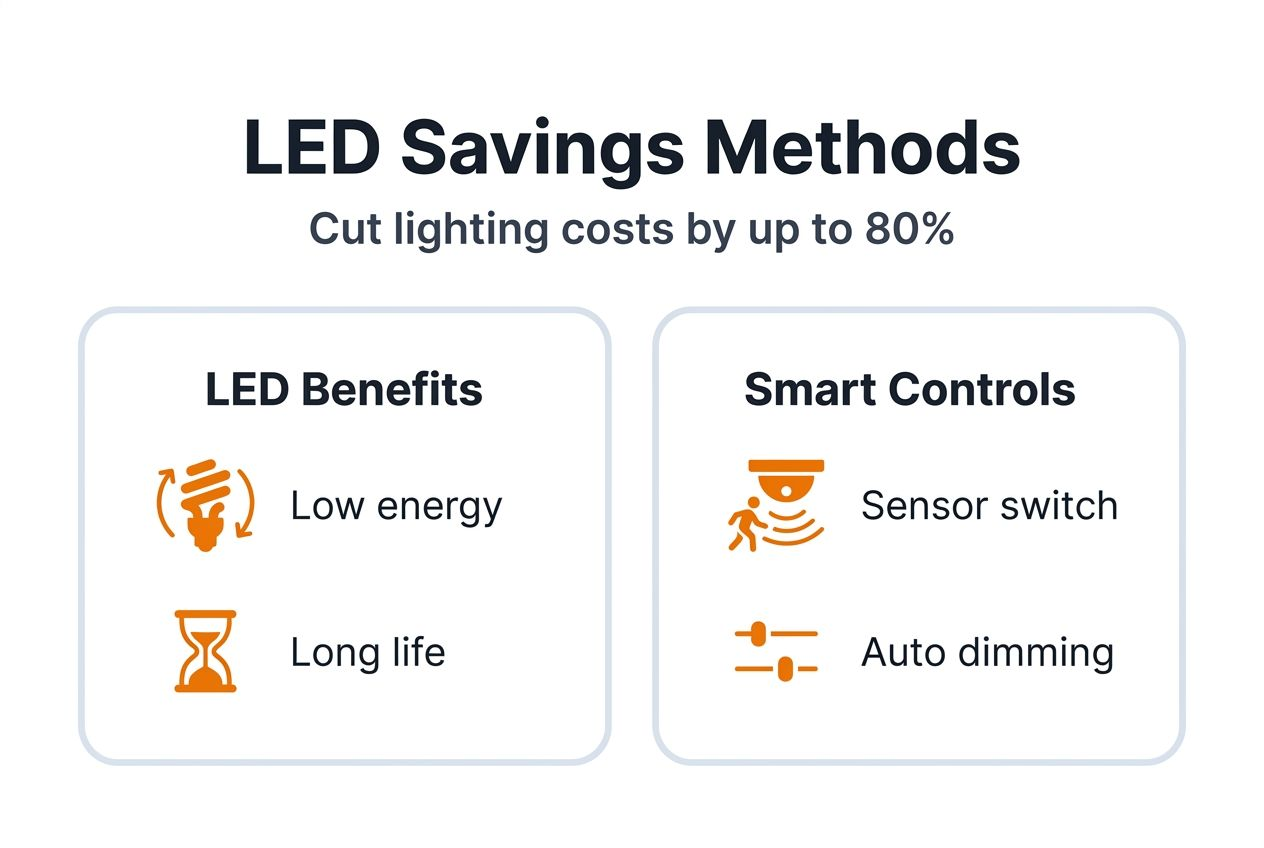
Higher upfront costs and installation complexity must be balanced against long-term benefits. Control systems require programming, commissioning, and occasional troubleshooting. Staff need training to utilise features effectively. Weigh these factors against potential savings in your specific situation.
| Approach | Initial cost | Energy savings | Complexity | Best for |
|---|---|---|---|---|
| LED only | Moderate | 60-80% vs traditional | Low | Consistent usage patterns |
| LED + occupancy sensors | Higher | 70-85% vs traditional | Medium | Irregular occupancy |
| LED + daylight harvesting | Highest | 75-90% vs traditional | High | Spaces with natural light |
| ATEX-rated LED | High | 60-80% vs traditional | Medium | Hazardous environments |
ATEX-rated LED lighting remains essential in hazardous environments for compliance and safety. These specialised fixtures cost more than standard commercial LEDs but prevent catastrophic incidents in zones with explosive atmospheres. The industrial lighting solutions guide details requirements for different hazard classifications.
Consider these factors when selecting lighting approaches:
- Building usage patterns and occupancy schedules
- Available natural light and window placement
- Budget constraints and desired payback period
- Technical expertise available for system maintenance
- Future expansion or modification plans
Pro tip: Start with LED fixtures alone if budget limits exist, then add control systems later once energy savings accumulate and staff become comfortable with new lighting.
Expected results, maintenance, and sustainability outcomes
Commercial LED upgrades deliver measurable benefits that extend far beyond lower electricity bills. Understanding realistic outcomes helps you track success and demonstrate value to stakeholders.
Achieve 60-80% reduction in lighting energy consumption shortly after installation. Actual percentages vary based on replaced fixture types and operational hours. Buildings transitioning from old fluorescent or metal halide systems see the largest improvements. You can expect around 50% reduction in electricity costs within the first year for typical commercial properties.

LED lifespan ranges from 25,000 to 50,000 hours, minimising maintenance interventions. Compare this to traditional lighting requiring replacement every 2,000 to 15,000 hours. Reduced maintenance lowers labour costs and eliminates productivity losses from frequent bulb changes.
Routine maintenance becomes remarkably simple with LED systems:
- Clean fixture lenses quarterly to maintain light output
- Inspect mounting hardware annually for secure attachment
- Test emergency lighting monthly per regulations
- Verify control system programming remains appropriate
- Document energy consumption to track continued savings
Maintain ongoing compliance with updated UK safety and environmental standards. Regulations evolve, particularly regarding energy efficiency and hazardous area lighting. Schedule periodic reviews ensuring your installation continues meeting current requirements.
Sustainability benefits extend beyond energy metrics. LED systems contain no mercury unlike fluorescent tubes, simplifying disposal and reducing environmental hazards. Lower energy consumption decreases carbon emissions associated with electricity generation. Many organisations leverage these improvements in sustainability reporting and corporate responsibility communications.
Pro tip: Create a simple spreadsheet tracking monthly electricity consumption so you can demonstrate actual savings to leadership and identify any performance degradation requiring attention.
Discover expert LED lighting solutions for your business
Ready to transform your commercial lighting from an energy drain into a competitive advantage? LED Supply & Fit specialises in tailored commercial LED installations that deliver verified savings without disrupting your operations.
Our clients achieve remarkable results through systematic upgrades. Utility Alliance reduced energy costs substantially whilst improving lighting quality across their facilities. We handle everything from initial audits through final commissioning, ensuring your project meets UK safety standards and delivers projected savings.
Bulk order options provide additional discounts that maximise your return on investment. Whether you manage a single property or an entire portfolio, our team designs solutions matching your specific requirements and budget constraints.
Get expert guidance navigating regulations, selecting optimal fixtures, and scheduling installations that minimise business disruption. Our Darlington location enables rapid response and direct consultation for projects across the UK. Review our client success stories to see verified results from businesses like yours.
Pro tip: Contact LED Supply & Fit early in your planning process so we can identify grant opportunities, negotiate supplier pricing, and schedule your upgrade during ideal timing for your business cycle.
Frequently asked questions about environmentally friendly lighting methods
How long does LED lighting installation typically take in a commercial property?
Most commercial LED installations complete within 1 to 3 days depending on property size and complexity. Small retail spaces often finish in one day whilst large warehouses require longer. Projects involving control system integration or high ceiling access extend timelines.
What safety regulations must be considered when upgrading lighting?
UK installations must comply with Building Regulations Part L for energy efficiency and BS 7671 wiring regulations. Hazardous areas require ATEX-rated fixtures matching zone classifications. Emergency lighting must meet BS 5266 standards with monthly testing protocols.
Can smart lighting controls really increase energy savings beyond LEDs alone?
Yes, intelligent controls can deliver an additional 20-30% energy reduction through occupancy sensing, daylight harvesting, and automated scheduling. The extra investment pays back faster in buildings with irregular occupancy or significant natural light availability.
What maintenance is required after installing LED lighting?
LED systems need minimal maintenance compared to traditional lighting. Clean fixture lenses quarterly, inspect mounting hardware annually, and test emergency lights monthly per regulations. Most LED fixtures require no bulb replacements for 5 to 10 years.
Are there any alternatives to LED for environmentally friendly commercial lighting?
LED technology currently offers the best combination of efficiency, lifespan, and cost-effectiveness for commercial applications. Some specialised uses might employ induction lighting or advanced fluorescent systems, but LEDs dominate sustainable commercial lighting due to superior performance and declining costs.