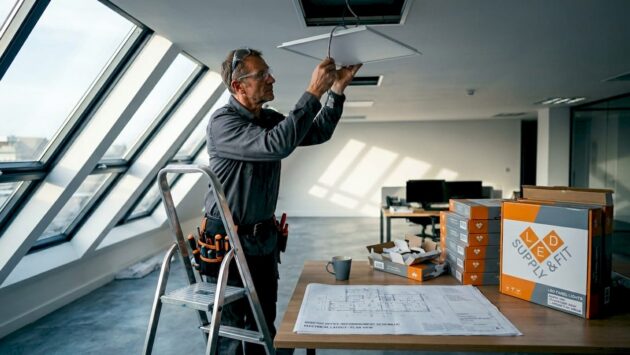

Why choose sustainable lighting for UK commercial properties in 2026
Many UK businesses still believe upgrading to sustainable lighting is prohibitively expensive, but this misconception costs them thousands in unnecessary energy bills each year. Traditional lighting can consume up to 85% more energy than modern LED alternatives, yet commercial property managers often delay upgrades due to perceived upfront costs. The reality is quite different: sustainable LED lighting delivers substantial energy savings, dramatically reduces maintenance expenses, and typically pays for itself within two to four years. This article explains the compelling benefits of sustainable lighting for UK commercial properties, from measurable cost reductions to environmental advantages, and provides practical guidance for implementing upgrades that maximise return on investment.
Key takeaways
| Point | Details |
|---|---|
| Energy savings | LED lighting reduces energy use by up to 85% compared to traditional lighting systems |
| Fast payback | Typical payback period on LED investment falls within 2 to 4 years for most commercial properties |
| Extended lifespan | LEDs last over 50,000 hours, drastically reducing replacement frequency and maintenance costs |
| Environmental benefits | Switching to LED eliminates hazardous materials like mercury and reduces carbon footprint |
| Tailored solutions | Custom lighting assessments maximise savings and ensure optimal return on investment |
Understanding the energy and cost benefits of sustainable lighting
Energy consumption from lighting represents a substantial portion of commercial operating costs across the UK. Traditional incandescent and halogen systems waste significant energy as heat, driving up utility bills unnecessarily. LED lighting uses up to 80% less energy than halogen bulbs, translating directly into lower monthly electricity expenses. For businesses operating extended hours, such as retail shops, hotels, and warehouses, these savings compound rapidly.
The International Energy Agency reports that lighting accounts for a significant share of commercial energy expenditure globally, making it a prime target for efficiency improvements. UK businesses can achieve energy savings of up to 85% by replacing outdated systems with modern LED technology. This dramatic reduction stems from LEDs converting more electrical energy into light rather than wasted heat, fundamentally changing the economics of commercial illumination.
Beyond immediate energy savings, sustainable lighting reduces maintenance costs through extended bulb life and fewer service calls. The combined effect of lower energy bills and reduced maintenance creates a compelling return on investment, typically within two to four years. Businesses that upgrade to LED often discover their actual payback period is shorter than expected, particularly in facilities with continuous lighting needs.
Several factors contribute to the total cost savings from sustainable lighting:
- Reduced electricity consumption lowering monthly utility bills
- Fewer bulb replacements decreasing procurement costs
- Lower maintenance labour requirements freeing up staff time
- Reduced cooling costs as LEDs generate less heat
- Potential eligibility for energy efficiency grants and incentives
Businesses seeking to maximise these benefits should prioritise energy saving lights designed specifically for commercial applications. Professional lighting assessments identify the highest-impact upgrade opportunities, ensuring investment focuses on areas delivering the greatest returns. Sites with 24-hour operations or extended daily hours see particularly rapid payback, as energy savings accumulate continuously.
Lighting represents a significant portion of commercial energy expenditure, making efficiency upgrades one of the most effective ways to reduce operating costs.
The financial case for sustainable lighting strengthens further when considering rising energy prices in the UK. As electricity costs continue increasing, the savings gap between traditional and LED lighting widens, accelerating return on investment. Forward-thinking property managers recognise that delaying upgrades means forfeiting ongoing savings that could be reinvested in business growth.
Lifespan, maintenance, and environmental advantages of LED lighting
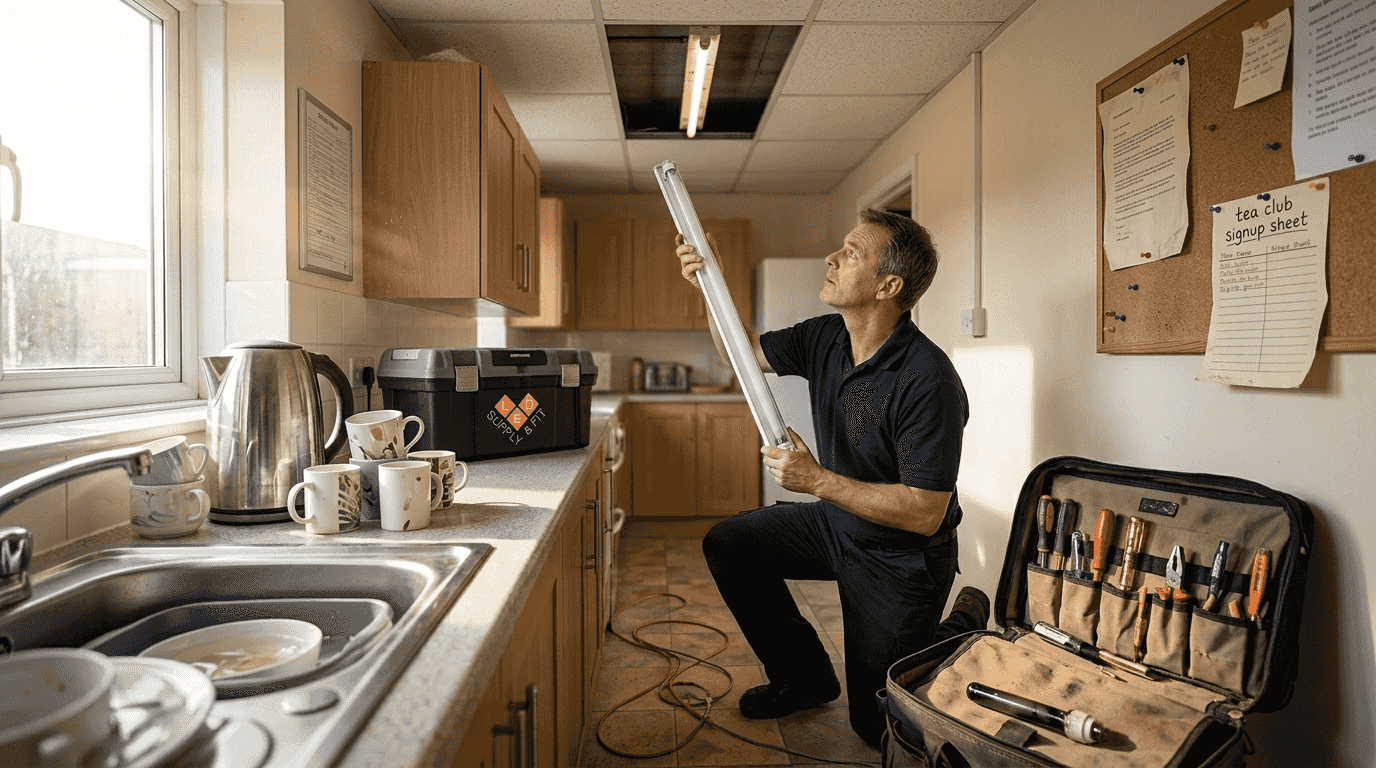
LED technology delivers exceptional longevity compared to traditional lighting options, fundamentally changing maintenance planning for commercial properties. LEDs typically last 50,000+ hours, dramatically reducing relamping frequency and associated labour costs. This extended lifespan means fewer disruptions to business operations and lower long-term procurement expenses.
| Feature | LED Lighting | Fluorescent Lighting |
|---|---|---|
| Average lifespan | 50,000+ hours | 7,000-15,000 hours |
| Maintenance frequency | Every 5-10 years | Every 1-2 years |
| Mercury content | None | Contains hazardous mercury |
| Energy efficiency | Up to 85% more efficient | Moderate efficiency |
| Disposal requirements | Standard recycling | Hazardous waste procedures |
LEDs have a significantly longer lifespan than fluorescent lights, up to seven times longer in many commercial applications. This durability reduces the total cost of ownership substantially, as businesses spend less on replacement bulbs and maintenance labour over the lighting system’s lifetime. For properties with high ceilings or difficult-to-access fixtures, this advantage becomes even more valuable.
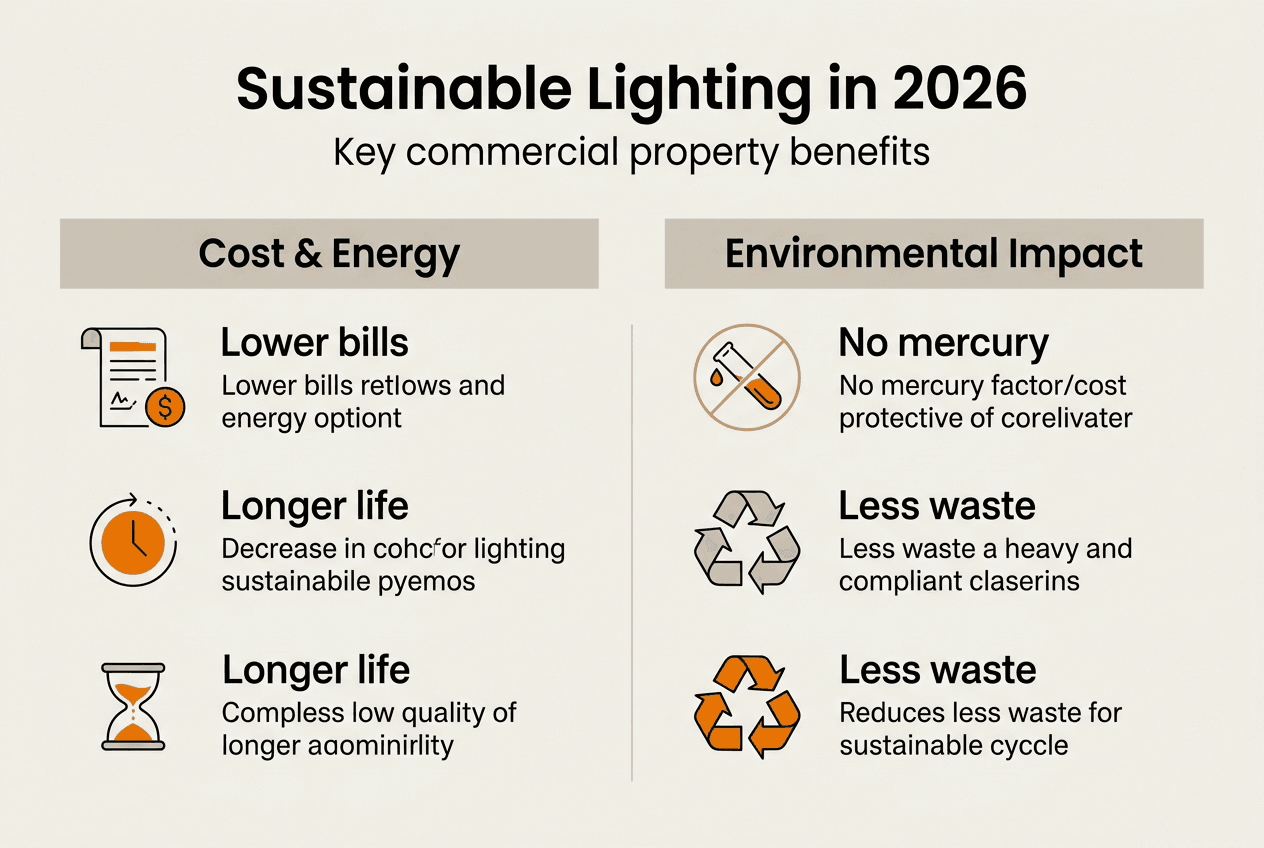
Environmental benefits extend beyond energy savings. LED lighting eliminates environmental hazards such as mercury content found in fluorescent lamps, simplifying disposal and reducing regulatory compliance burdens. Businesses no longer need specialised hazardous waste procedures for spent bulbs, lowering administrative costs and environmental liability.
The reduced carbon footprint from LED lighting stems from both lower energy consumption and decreased manufacturing waste. Fewer replacements mean less material production, transportation, and disposal over time. Commercial properties committed to sustainability find LED upgrades align perfectly with corporate environmental goals whilst delivering measurable cost savings.
Pro Tip: Schedule regular lighting audits to identify ageing fixtures before they fail, allowing planned replacements during off-peak hours rather than emergency repairs that disrupt operations.
Beyond direct environmental benefits, sustainable lighting enhances corporate reputation with environmentally conscious customers and stakeholders. Businesses demonstrating genuine commitment to commercial LED lighting benefits often find improved brand perception and customer loyalty. This intangible value complements the measurable financial returns from reduced energy and maintenance costs.
Modern LED systems also offer superior light quality compared to older technologies, improving workplace environments and customer experiences. Better colour rendering and reduced flicker contribute to employee wellbeing and productivity, adding indirect value beyond pure cost savings. Property managers implementing LED lighting tips for businesses frequently report positive feedback from occupants about improved lighting conditions.
Tailoring sustainable lighting solutions for UK commercial spaces
Successful lighting upgrades require careful assessment of each property’s unique characteristics and operational patterns. A one-size-fits-all rollout rarely delivers maximum value, as different spaces have vastly different lighting requirements and usage profiles. Warehouses operating 24 hours daily have different priorities than offices with standard business hours.
Commercial spaces with continuous lighting needs offer the fastest return on LED investment. These include:
- Warehouses and distribution centres with round-the-clock operations
- Retail shops with extended trading hours and display lighting
- Hotels requiring corridor and common area illumination 24 hours daily
- Restaurants and bars with evening-focused operations
- Gyms and leisure facilities with early morning to late evening access
- Car parks and exterior security lighting
Conducting an effective lighting audit involves several critical steps. First, conduct a thorough inventory of existing lighting to identify energy savings opportunities across all areas. Document current fixture types, wattages, operating hours, and maintenance history for each space. This baseline data enables accurate calculation of potential savings and payback periods.
Next, analyse usage patterns to prioritise upgrades delivering the highest return. Spaces with longer operating hours should receive attention first, as energy savings accumulate more rapidly. Consider factors like natural light availability, task requirements, and occupancy patterns when specifying replacement fixtures. Areas with infrequent use might benefit from motion sensors or daylight harvesting controls to maximise efficiency.
Pro Tip: Use digital energy monitoring devices to track real-time consumption before and after upgrades, providing concrete evidence of savings and identifying any underperforming fixtures quickly.
Tailored solutions also account for specific lighting quality requirements. Retail environments need excellent colour rendering to display merchandise attractively, whilst warehouses prioritise high lumen output for safety and productivity. Offices benefit from glare reduction and flicker-free operation to support employee comfort. Matching LED specifications to actual needs prevents over-investment in unnecessary features whilst ensuring adequate performance.
Businesses seeking to upgrade commercial lighting should engage lighting professionals who understand both technical requirements and financial considerations. Expert assessments identify opportunities for controls integration, such as occupancy sensors and daylight harvesting, which can boost savings beyond simple fixture replacement. These advanced strategies often add modest upfront costs but significantly enhance long-term returns.
Property managers should also consider future flexibility when selecting LED systems. Modular designs and standardised fittings simplify future maintenance and allow gradual expansion of upgraded areas. This phased approach spreads capital investment over time whilst still capturing immediate savings in priority areas. Implementing LED lighting cost saving tips strategically ensures businesses maximise value from every pound invested.
Comparing sustainable lighting options: types and return on investment
Understanding differences among sustainable lighting technologies helps businesses make informed decisions aligned with their specific needs and budgets. Whilst LED technology dominates the commercial market, other options exist with varying performance characteristics and cost profiles.
| Lighting Type | Energy Consumption | Average Lifespan | Typical Payback Period | Environmental Impact |
|---|---|---|---|---|
| LED | Lowest (up to 85% reduction) | 50,000+ hours | 2-4 years | Minimal, no hazardous materials |
| Fluorescent | Moderate | 7,000-15,000 hours | 3-5 years | Contains mercury, requires special disposal |
| Halogen | High | 2,000-4,000 hours | Not cost-effective | Higher carbon footprint |
| Incandescent | Very high | 1,000-2,000 hours | Not recommended | Highest carbon footprint |
Payback periods for well-designed LED projects often fall within 2 to 4 years, sometimes faster for sites with long operating hours. This timeline reflects both energy savings and reduced maintenance costs, creating a compelling business case for immediate action. Properties operating lighting systems more than 12 hours daily typically see payback periods at the shorter end of this range.
Switching to LED lighting can reduce electricity consumption by 25 to 35% compared to older fluorescent or halogen fittings, even before considering maintenance savings. This reduction translates into substantial annual cost savings for commercial properties with significant lighting loads. The exact percentage varies based on existing equipment efficiency and new system specifications.
Several key considerations influence lighting selection and return on investment:
- Current lighting system efficiency and age
- Daily operating hours and usage patterns
- Maintenance accessibility and labour costs
- Light quality requirements for specific applications
- Available capital budget and financing options
- Integration with building management systems
- Regulatory compliance and safety standards
Businesses comparing options should calculate total cost of ownership over the expected system lifespan rather than focusing solely on upfront costs. LED systems with higher initial prices often deliver superior long-term value through lower operating expenses and extended replacement cycles. This lifecycle perspective reveals the true economic advantage of quality sustainable lighting.
Operating hours significantly impact payback calculations. A warehouse running lights 24 hours daily accumulates three times the energy savings of an office operating 8 hours daily, accelerating return on investment proportionally. Property managers should prioritise upgrades in high-usage areas to capture maximum immediate benefit whilst planning longer-term improvements for less critical spaces.
Exploring cost-saving lighting strategies helps businesses identify optimal solutions for their specific circumstances. Professional guidance ensures selections balance performance requirements, budget constraints, and operational priorities effectively. Understanding LED lighting terminology also empowers property managers to evaluate proposals confidently and make informed decisions.
Financing options can further improve return on investment by spreading capital costs over time whilst capturing immediate energy savings. Many businesses find monthly savings exceed financing payments, creating positive cash flow from day one. This approach removes budget barriers that might otherwise delay beneficial upgrades, allowing companies to start saving immediately.
Explore sustainable lighting solutions with LED Supply & Fit
Now that you understand the substantial benefits of sustainable lighting for commercial properties, the next step is implementing solutions tailored to your specific needs. LED Supply & Fit specialises in energy-efficient lighting for UK businesses, offering comprehensive assessments that identify your highest-impact upgrade opportunities. Our team evaluates your current systems, operating patterns, and business objectives to recommend solutions delivering maximum return on investment.
We supply and install high-quality LED lighting designed specifically for commercial applications, from offices and retail shops to warehouses and hospitality venues. Our best commercial LED lighting options combine proven energy savings with exceptional longevity and performance. Whether you need a complete facility upgrade or targeted improvements in high-usage areas, we provide expert guidance throughout the process. Discover how to upgrade commercial lighting for cost savings with professional support from initial assessment through installation and beyond. Request a quote today to start reducing your energy costs and environmental impact.
Frequently asked questions
What is the average payback period for LED lighting in commercial buildings?
The typical payback period for LED lighting in commercial buildings ranges from 2 to 4 years, with many facilities seeing faster returns. Sites with extended operating hours or 24-hour operations often achieve full return within two years according to recent UK data. The combined savings from lower energy consumption and reduced maintenance costs accelerate investment recovery substantially.
How does sustainable LED lighting benefit the environment compared to fluorescent lighting?
LED lighting eliminates environmental hazards associated with fluorescent lighting, such as mercury content that requires specialised disposal procedures. LEDs also last significantly longer, reducing waste from frequent replacements and lowering the carbon footprint associated with manufacturing and transportation. The superior energy efficiency of LEDs further reduces greenhouse gas emissions from electricity generation.
What are the key steps for businesses to optimise savings from sustainable lighting?
Businesses should start by performing detailed lighting audits that conduct a thorough inventory of existing lighting to identify energy savings opportunities. Consider operating hours, maintenance accessibility, and specific lighting requirements for each area before specifying replacements. Use digital energy monitoring to track consumption patterns and verify savings after implementation, ensuring upgrades deliver expected returns.
Can LED lighting improve workplace productivity and customer experience?
Yes, LED lighting offers superior light quality compared to traditional options, with better colour rendering and reduced flicker that supports employee wellbeing and productivity. Customers also respond positively to well-designed LED lighting in retail and hospitality environments, where proper illumination enhances ambience and product presentation. These indirect benefits complement the measurable financial returns from energy and maintenance savings.
Recommended
- Cost-saving lighting strategies: top LED solutions for UK businesses 2026
- LED lighting cost saving tips for UK businesses in 2026
- Smart lighting for UK businesses: cut costs by £1.1M in 2026
- Why upgrade business lighting: reduce costs by 75%
- Congrès FFB 2026 : Les enjeux de la transition du bâtiment